July 20, 2026
Explore the intricate process and challenges of land clearing, a task critical for development and agriculture. Discover how professionals optimize techniques and strategies to efficiently clear an acre of land, transforming it from an untamed wilderness into a ready-to-use space. With numerous factors influencing the speed and effectiveness of land clearing, professionals must navigate these complexities to deliver superior results. This article delves into the art and science behind hiring a professional land clearing service, highlighting the balance between speed, efficiency, and environmental responsibility.
Land Clearing: Scope and Significance
Definition and Importance
Land clearing refers to the process of removing trees, shrubs, stones, and other obstacles from a piece of land to prepare it for development or agriculture. This foundational step is crucial for construction, farming, and any other form of land use that requires a cleared plot. Without adequate land clearing, the subsequent stages of development might face significant obstacles. Utilizing an experienced land clearing service ensures safety, optimizes land use, and prevents potential hazards that could arise from uncontrolled vegetation. Thus, understanding the importance of land clearing is paramount for anyone venturing into land development.
Beyond just preparing the land, clearing serves as an initial phase that sets the stage for project success. Land clearing can impact the quality and timeline of subsequent construction or agricultural endeavors. Properly cleared land supports architectural designs and helps achieve agricultural efficiency by offering a clean slate. For developers, partnering with a commercial land clearing service not only ensures project timeliness but also affects financial considerations by minimizing setbacks. It is a vital process that contributes to the broader infrastructure and agricultural framework necessary for societal development.
Historical Context of Land Clearing Practices
Historically, land clearing has been an evolving practice influenced by cultural, technological, and environmental factors. In prehistoric times, communities relied on rudimentary tools for clearing land, often limited by the physical capacity of human labor. The advent of agriculture marked a significant shift, leading to the development of more efficient tools, such as axes and plows, which revolutionized the process. An increase in agricultural activities necessitated larger areas of land to be cleared, gradually transforming landscapes from thick forests to vast arable fields. The historical evolution of land clearing practices reflects humanity's growing capacity to shape the environment to meet its needs.
Ecological and Economic Impacts
The ecological impacts of land clearing are significant and multifaceted, often involving habitat disruption, biodiversity loss, and changes to natural ecosystems. The removal of trees and vegetation can lead to soil erosion and degradation, especially if not managed properly. Water cycles may also be affected, as cleared land alters the natural flow and retention of water. One of the critical ecological concerns is the potential impact on wildlife habitats and corridors, contributing to decreased biodiversity and species displacement. Nevertheless, with careful planning and environmental considerations, these impacts can be mitigated to balance development with ecological preservation.
On the economic front, land clearing is a critical enabler of development, opening avenues for more extensive investment and growth. Efficient clearing transforms land into valuable real estate, suitable for commercial and residential development, directly impacting local economies. Agricultural uses of cleared land also lead to increased productivity and food supply, contributing to economic stability and growth. This process creates jobs, not just during the clearing phase, but throughout subsequent stages of development and use. Choosing a reputable land clearing service minimizes long-term environmental liabilities, which need careful consideration in economic planning.
Challenges of Clearing an Acre
Variability of Terrain and Vegetation Types
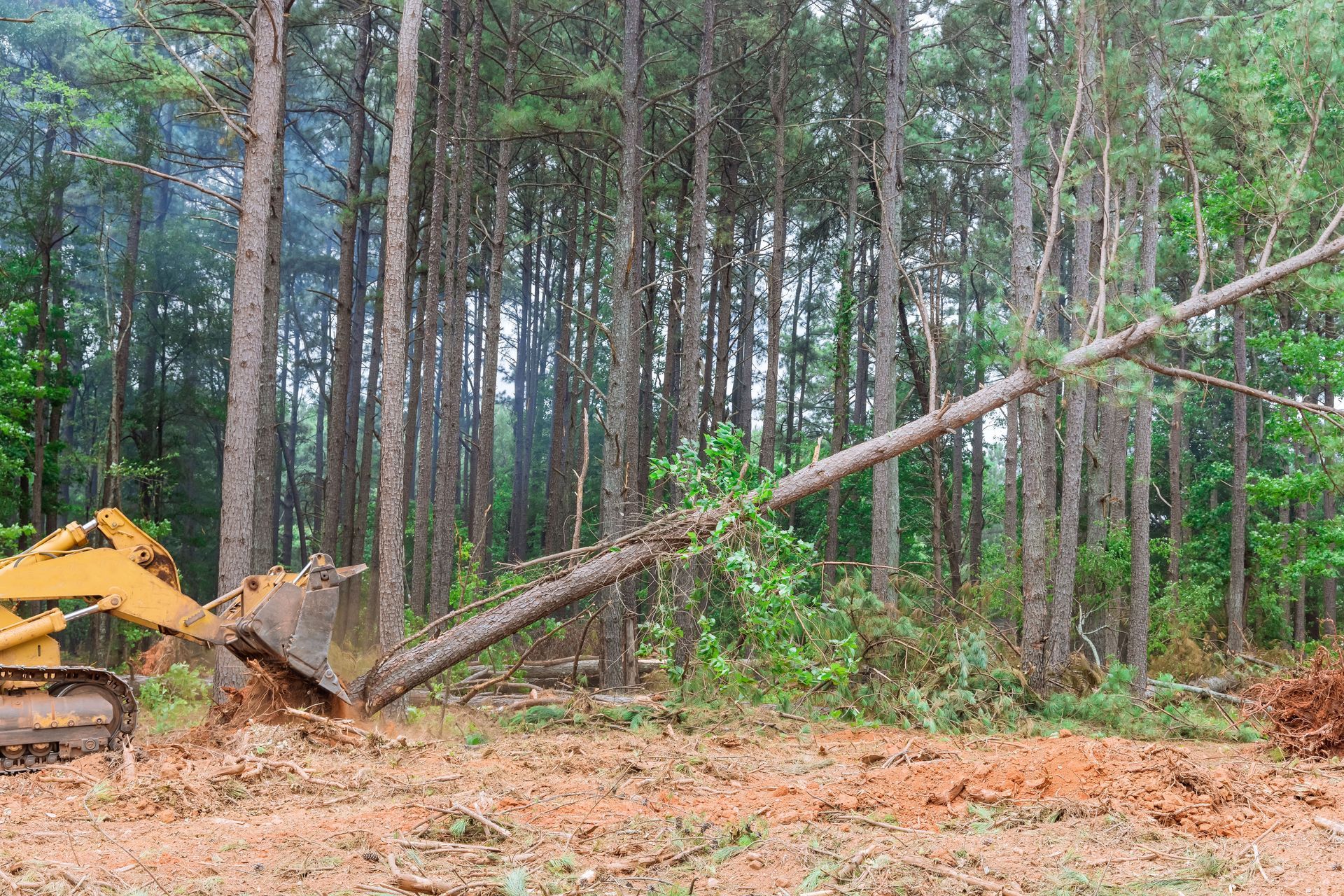
The variability of terrain presents notable challenges in the land clearing process, affecting both the techniques required and the overall time efficiency. Rocky terrains, steep slopes, and wetlands each demand specific strategies to ensure effective clearing while maintaining safety protocols. For example, rocky or uneven ground poses difficulties for standard machinery, necessitating the use of specialized equipment to navigate these obstacles. Similarly, different vegetation types, ranging from dense forests to scrubland, require tailored approaches to manage the physical demands of clearing operations. This variability underscores the need for a versatile land clearing service that brings adaptive equipment to handle the complexities of diverse landscapes.
Given these variations, professionals must conduct thorough assessments to understand the land's unique characteristics before commencing clearing activities. This initial evaluation informs the selection of appropriate machinery and methods, reducing risks and enhancing efficiency. By accounting for terrain and vegetation, clearing teams can develop customized plans that optimize safety and productivity while minimizing ecological impact. According to Home Advisor, an expert crew can typically prepare an acre of land in a window ranging from two to twelve hours, heavily depending on the baseline density and environmental condition of the lot.
Weather Conditions and Climate Influences
Weather conditions play a significant role in land clearing projects, with potential impacts on safety, efficiency, and environmental considerations. Unpredictable weather, such as sudden rainfall or extreme temperatures, can delay operations or render machinery ineffective. Working in rainy conditions increases risks, particularly on slopes and soils prone to erosion, necessitating extra precautions to prevent accidents. Heat extremes present additional challenges, with machinery potentially overheating and crews facing the risk of heat-related illnesses. Thus, navigating climatic conditions requires careful planning and flexibility to accommodate changing weather patterns.
Climate influences, such as seasonal variations and long-term weather trends, also demand consideration in land clearing projects. Seasonality affects soil moisture levels and vegetation regrowth, influencing the timing and methods used for clearing. During periods of drought, dust suppression becomes a priority, while wet seasons might require enhanced erosion control measures. Long-term factors, like increased storm frequency due to climate change, necessitate forward-thinking strategies from your chosen land clearing service that anticipate and mitigate potential impacts. A proactive approach to managing climate influences contributes to successful land clearing outcomes that align with environmental sustainability goals.
Technical and Equipment Limitations
The effectiveness of land clearing projects often hinges on the capabilities and limitations of the equipment used. Technical limitations, such as machinery breakdowns or suboptimal performance in difficult conditions, can slow down operations and increase project costs. Equipment may become bogged down in muddy terrain or face difficulties maneuvering through dense vegetation, highlighting the need for machines suited to specific environments. Regular maintenance and thoughtful equipment selection help mitigate technical constraints, ensuring uninterrupted progress and efficient operations. However, overcoming such limitations often requires innovative solutions and adaptability from land clearing teams.
In addition to equipment limitations, the skill and experience of the operators play a crucial role in mitigating potential issues. Trained professionals possess the expertise needed to navigate technical constraints and maximize equipment performance. They can apply specialized techniques, such as phased clearing or tiered approaches, to optimize the use of machinery in challenging settings. Moreover, a thorough understanding of equipment capabilities allows operators to identify and address potential issues before they escalate into significant delays. This confluence of expertise and technology forms the backbone of an effective land clearing service, enabling teams to deliver successful outcomes even in complex scenarios.
The speed at which professionals can truly clear an acre of land hinges on a delicate balance between high-powered mechanical execution and adaptive site strategy. While advanced equipment and experienced crews can compress timelines dramatically, stubborn environmental realities like rocky slopes, dense root systems, and seasonal climate shifts will always dictate the final pace. Investing in a professional assessment before breaking ground remains the single most effective way to anticipate these logistical hurdles, protect local ecosystems, and ensure your acreage is safely and efficiently primed for its next chapter of development.
Get your next development project started on the right foot today by reaching out to JC Myers Construction to schedule our premier land clearing service.