July 23, 2026
A modern home's foundation is designed to provide decades of structural support, stability, and protection. It carries the weight of the entire building, keeps floors level, helps walls remain aligned, and creates a barrier between the home and the soil beneath it. When it is properly planned and built, it can continue performing for generations.
The lifespan of a foundation depends on more than the strength of concrete alone. Soil conditions, drainage, reinforcement, construction quality, climate, and ongoing maintenance all influence how long the structure remains dependable. Working with an experienced foundation contractor can help homeowners understand these factors and address concerns before they become serious.
Understanding How Foundations Support the Home
A foundation distributes the weight of a house across the ground so that the structure remains stable. Slab foundations spread weight over a broad concrete surface, while crawl space and basement foundations transfer loads through walls and footings. Each system must be designed to match the size of the home, the type of soil, and the environmental conditions around the property.
When the foundation performs correctly, doors and windows open smoothly, floors remain level, and walls stay properly aligned. Problems can develop when weight is not distributed evenly or when the soil beneath the home shifts. Careful engineering and professional construction reduce these risks. Professional evaluation can help determine a design that provides reliable support for the expected life of the home.
Choosing Materials for Long-Term Strength
Concrete is widely used for modern foundations because it is strong, durable, and able to withstand significant pressure. Reinforcing steel is often placed within the concrete to help it resist cracking and movement. The quality of the cement mixture, aggregate, water ratio, and curing process all affect the finished structure. Even strong materials can underperform if they are mixed incorrectly or exposed to stress before they have cured properly.
According to HomeAdvisor, a properly constructed concrete foundation can last 80 to 100 years or longer. Reaching that lifespan depends on proper construction and favorable conditions around the home. High-quality materials, accurate placement, sufficient reinforcement, and patient curing create a stronger result. When these steps are completed correctly, the foundation can continue supporting the structure through decades of weather, occupancy, and normal ground movement.
Preparing Soil for Stable Construction
The soil beneath a home plays a major role in foundation performance. Some soils drain quickly and remain relatively stable, while others expand when wet and shrink during dry conditions. If the ground is not evaluated and prepared correctly, the foundation may experience cracks, sinking, or shifting even when the concrete itself is strong.
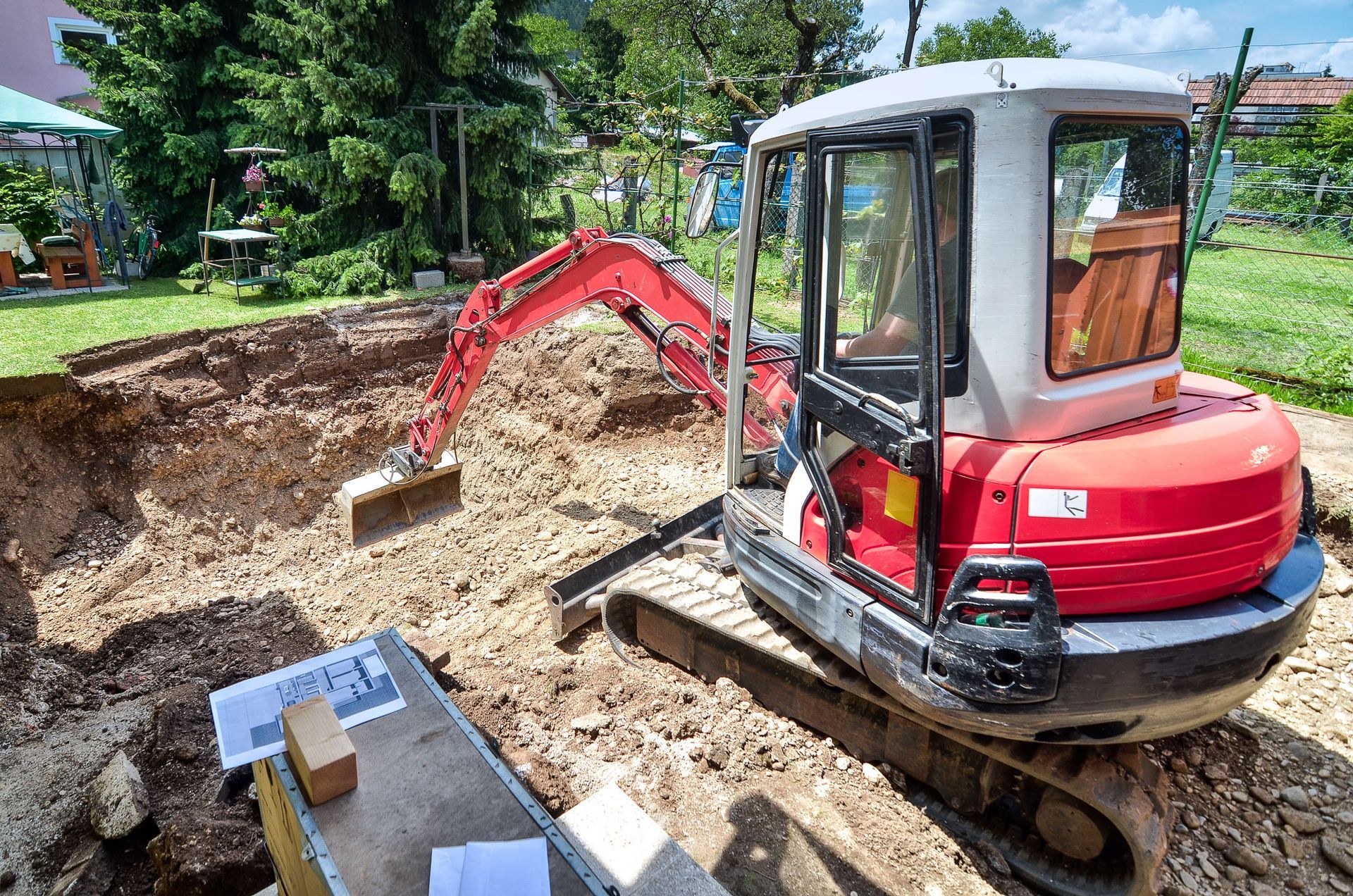
Site preparation may include removing unsuitable material, compacting soil, installing engineered fill, or adjusting the foundation design to fit local conditions. Soil testing provides useful information about bearing capacity, moisture behavior, and potential movement. A foundation contractor can use these findings to determine the appropriate excavation depth, footing size, and reinforcement plan. Proper preparation creates a stable base and reduces the chance of long-term settlement problems.
Managing Water Around the Property
Water is one of the greatest threats to a foundation's long-term condition. Rainwater that pools near the home can saturate the soil, increase pressure against foundation walls, and contribute to erosion. In cold climates, moisture can freeze and expand, placing additional stress on concrete and masonry.
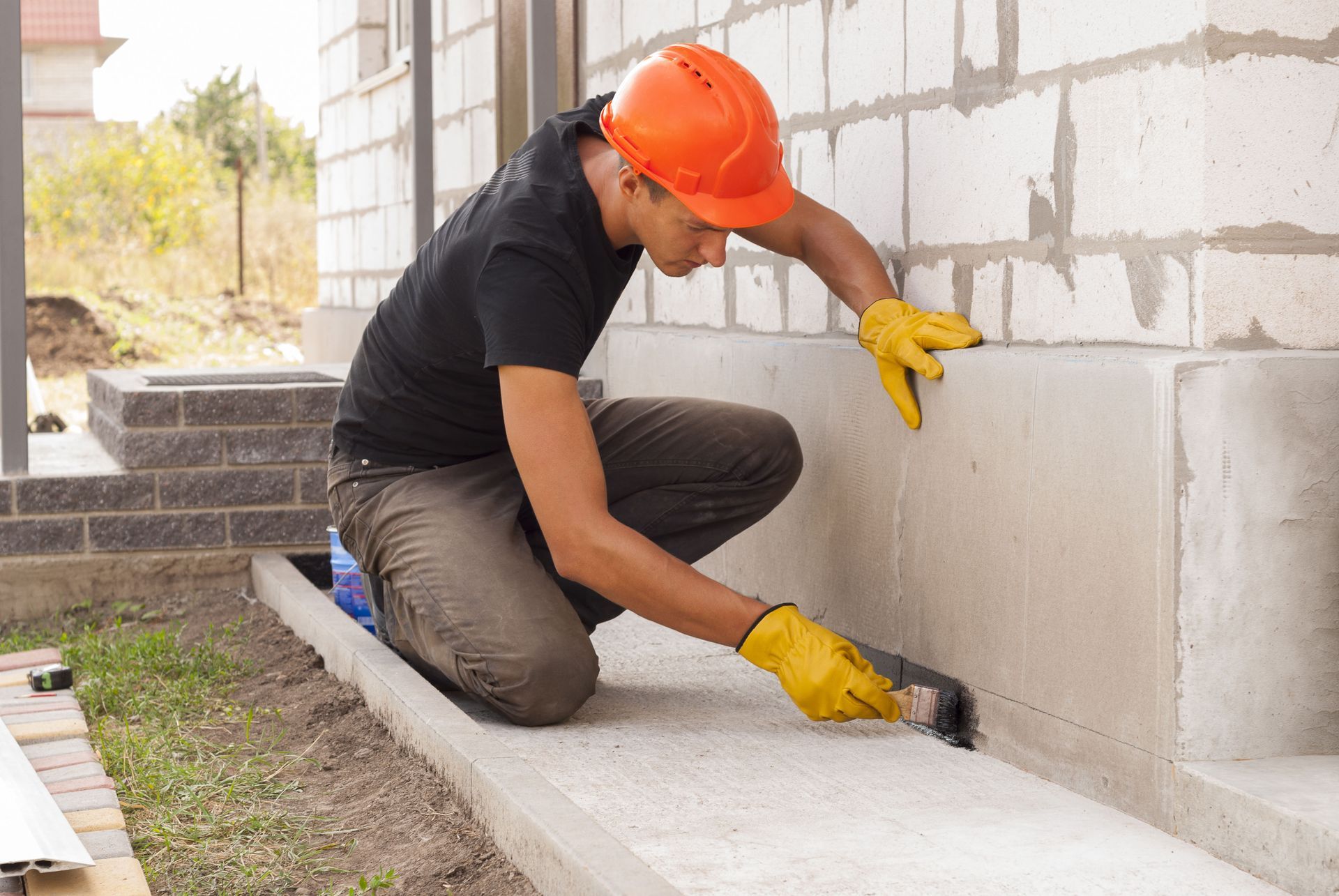
Effective drainage helps limit these risks. Gutters, downspouts, grading, drainage systems, and waterproofing should work together to direct water away from the home. Downspouts need to discharge far enough from the foundation, and the surrounding ground should slope outward rather than toward the structure. Maintaining these features can protect the foundation from moisture-related deterioration and help preserve its expected service life.
Preventing Damage Through Regular Maintenance
Foundations are built for durability, but they still benefit from routine attention. Homeowners should periodically look for new cracks, gaps around windows or doors, uneven floors, water stains, or changes in basement and crawl space conditions. Small cracks are not always signs of structural failure, but tracking their size and location can help reveal whether movement is continuing.
Maintenance also includes keeping drainage paths clear, repairing plumbing leaks, maintaining consistent soil moisture where appropriate, and preventing large roots from interfering with the structure. If warning signs appear, a foundation contractor can determine whether the issue is cosmetic, moisture-related, or structural. Prompt evaluation may allow for a smaller repair and help prevent stress from affecting walls, floors, or other parts of the home.
Recognizing Conditions That Shorten Lifespan
Several conditions can reduce how long a foundation remains dependable. Poor drainage, expansive soil, inadequate reinforcement, improper concrete curing, and repeated plumbing leaks can all contribute to deterioration. Major additions or renovations may also place new loads on a foundation that was not designed to support them.
Construction errors are another important concern. Footings that are too shallow, concrete that is too weak, or reinforcement placed incorrectly may not create immediate symptoms, but problems can emerge over time. This is why professional oversight matters during both new construction and major remodeling. Experienced specialists can identify risks, follow local building requirements, and make decisions that support long-term structural performance rather than short-term convenience.
Addressing Warning Signs Before They Spread
Foundation problems often begin with subtle changes. Stair-step cracks in masonry, widening wall cracks, sticking doors, sloping floors, or spaces between walls and ceilings may indicate movement. Water entering a basement or crawl space can also point to cracks, drainage trouble, or failed waterproofing.
A foundation contractor can inspect the property, document visible damage, and determine whether monitoring, drainage improvements, crack repair, reinforcement, or stabilization is needed. Modern repair methods may include wall anchors, piers, underpinning, epoxy injection, or drainage upgrades. Addressing the cause of the movement is essential because cosmetic repairs alone may not prevent cracks from returning. Timely action can protect the foundation and reduce damage throughout the rest of the home.
Extending Performance Through Professional Repairs
A damaged foundation does not always need complete replacement. Many systems can be repaired and stabilized when problems are identified early. The right repair depends on the type of foundation, the cause of the damage, the condition of the soil, and the amount of movement that has occurred. Professional evaluation helps homeowners avoid unnecessary work while making sure serious concerns receive the appropriate response.
Quality repairs can add many years of dependable performance by restoring support, controlling moisture, or preventing further movement. A skilled foundation contractor will focus on both the visible damage and the underlying cause. After repairs are completed, continued monitoring and maintenance remain important.
Planning Improvements With Structural Longevity in Mind
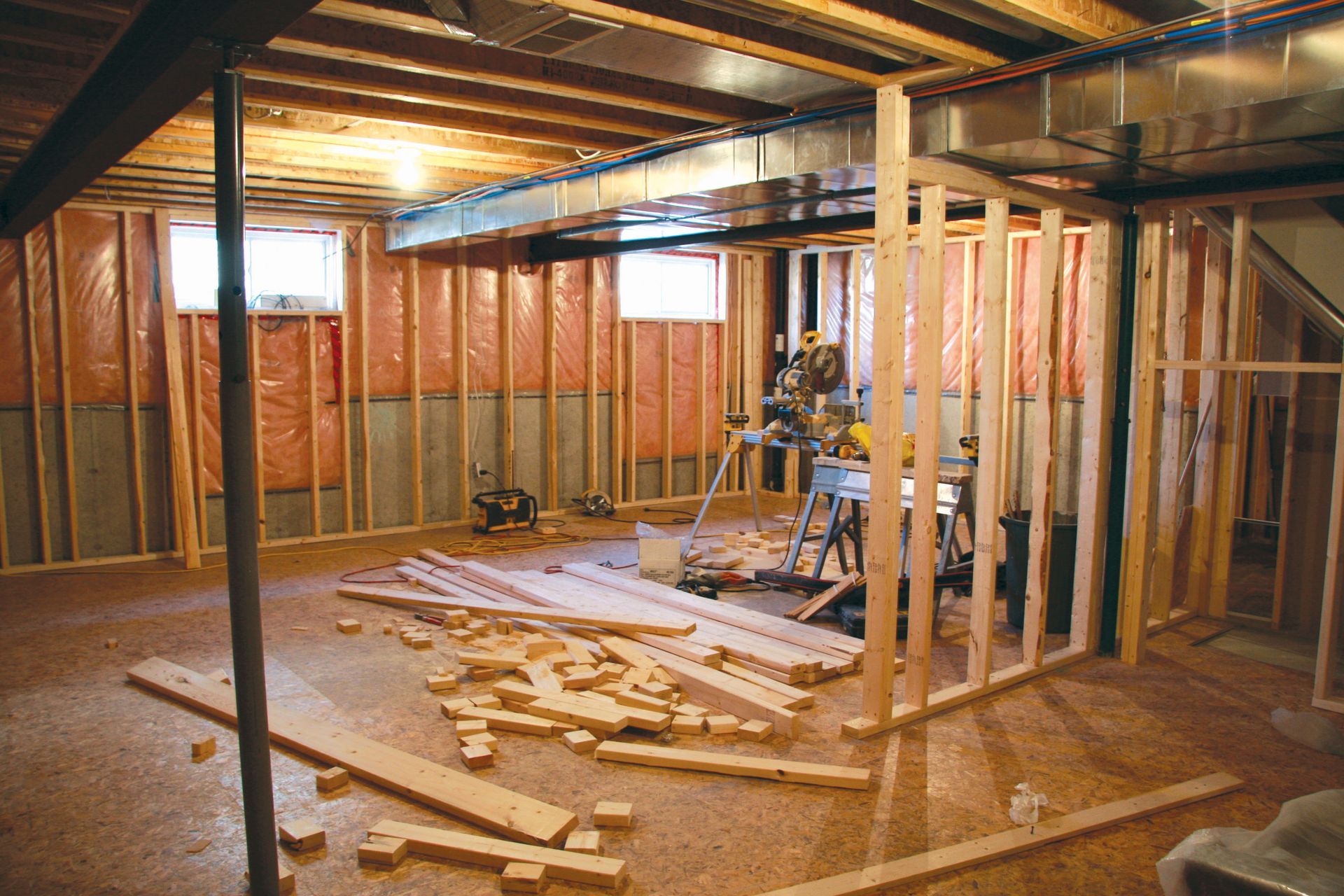
Home additions, finished basements, new porches, and major interior renovations can affect the load placed on a foundation. Before beginning these projects, homeowners should confirm that the existing structure can support the proposed changes. Adding weight without proper planning may lead to settlement, cracking, or uneven stress. Structural evaluation is especially important for older homes or properties with a history of foundation concerns.
Planning improvements carefully protects the home and helps preserve the foundation's lifespan. Professionals can determine whether additional footings, reinforcement, drainage work, or stabilization should be completed before construction begins. Consulting a foundation contractor during the planning stage can prevent expensive corrections later. It also helps new work integrate safely with the original structure and maintain dependable performance for future owners.
A modern foundation can last for many decades when it is supported by sound design, strong materials, stable soil, effective drainage, and regular maintenance. Homeowners can protect that lifespan by watching for warning signs, correcting water problems, planning renovations carefully, and seeking professional guidance from a qualified foundation contractor when concerns arise. Even when cracks or movement develop, timely repairs may restore stability and prevent further damage. With proper care, the foundation can continue supporting the home well into the future. For knowledgeable service and dependable construction solutions, contact JC Myers Construction.