October 16, 2026
Establishing proper site contours and positive slopes directs surface runoff safely away from residential structures. Shaping the earth properly around a home minimizes water accumulation and prevents moisture from pooling near exterior walls. Establishing a gentle slope ensures heavy rain naturally flows off the property without saturating the surrounding soil. Correctly executing basic site grading is essential to protecting residential properties from costly, water-related structural damage.
Evolving Grading Methods
Historically, land grading was a labor-intensive process reliant on manual labor and basic surveying hand tools. Modern advances in heavy machinery and digital surveying allow contractors to execute precise land shaping quickly and efficiently. Today, site grading incorporates sustainable environmental practices to manage stormwater runoff responsibly across entire neighborhoods. This technological evolution reflects an ongoing industry commitment to improving structural longevity and long-term soil stability.
Selecting Site Materials
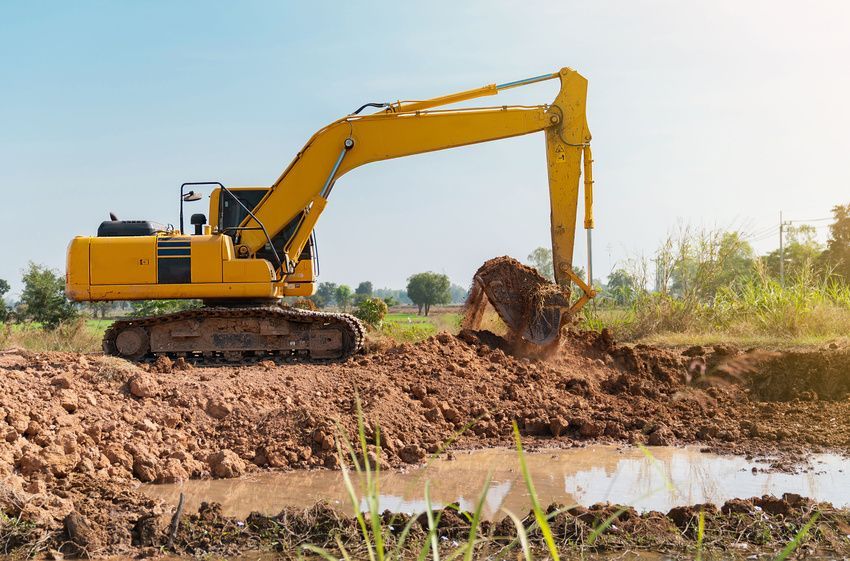
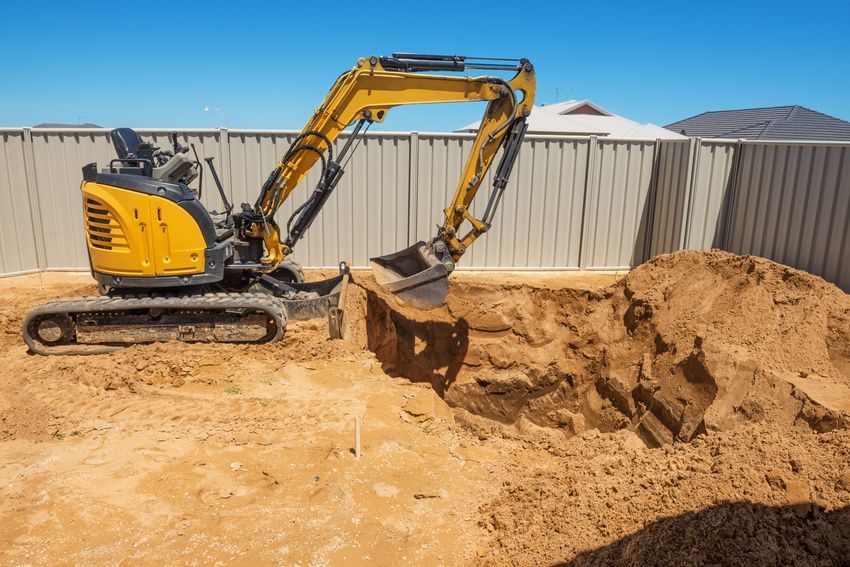
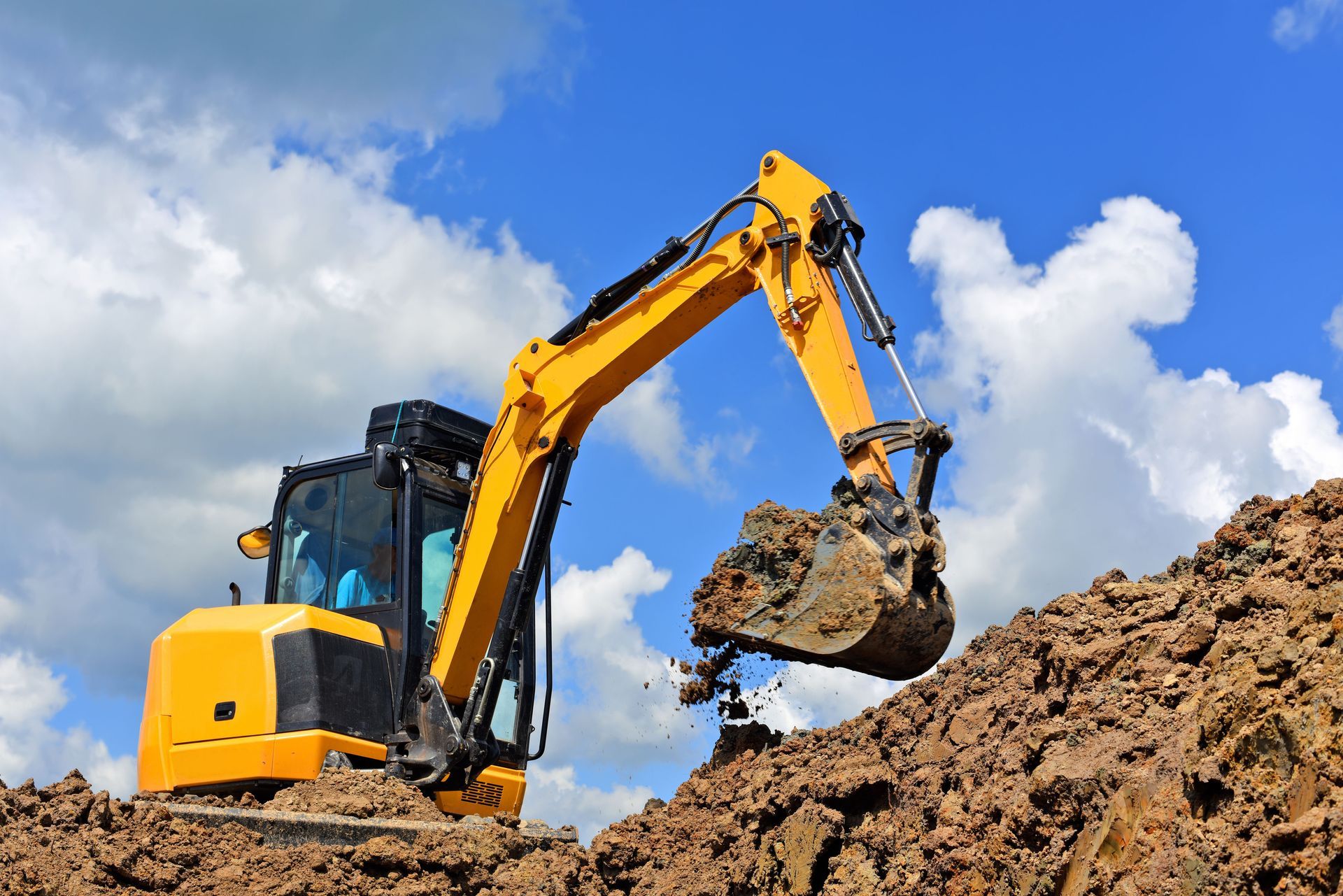
Utilizing the proper mix of topsoil, gravel, and sand ensures optimal soil compaction and surface drainage. Contractors select specific earth materials based on native soil compositions, property slope, and expected water volume. Heavy machinery like bulldozers and excavators reshapes the terrain according to precise engineering plans. Applying the right materials and methods establishes a stable foundation for future landscaping and hardscape projects.
Utilizing Digital Precision
Deploying laser levels and GPS technology allows site contractors to establish accurate slope gradients without guesswork. Detailed topographical mapping aids in meticulous planning, ensuring surface water flows exactly where intended. Modern technological innovations significantly reduce human error during excavation and slope creation. Utilizing advanced surveying equipment streamlines site preparation, ensuring optimal drainage results across complex residential lots.
Adhering to Regulations
Navigating local zoning laws and municipal building codes is mandatory before initiating major land grading projects. Municipal permits ensure site modifications adhere to local environmental guidelines and do not disrupt natural watercourses. Regulatory compliance prevents improper runoff from damaging adjacent properties or causing local soil erosion. Property owners must understand regional grading requirements to avoid costly fines, project delays, and legal disputes.
Preventing Water Ingress
Failing to maintain positive grading allows water to pool around exterior walls and seep into basements. Accumulated moisture damages interior wall finishes, ruins flooring, and fosters hazardous mold growth. Over time, persistent pooling destabilizes structural soils, placing immense hydrostatic pressure on subterranean walls. Experienced foundation contractors recognize that correcting negative slopes is critical to preventing long-term structural settling.
Controlling Soil Erosion
Improper land contours accelerate soil erosion, washing away topsoil and leaving bare, unappealing patches across the yard. As rushing water strips away nutrients, surrounding plant life weakens and root systems become exposed. Severe erosion eventually creates dangerous sinkholes, uneven terrain, and property safety hazards. Proper grading preserves natural topsoil, protecting both surrounding landscaping and overall property stability.
Protecting Structural Foundations
Allowing water to collect near concrete footings leads to severe cracking, shifting, and long-term structural decay. According to Home Advisor, a well-built concrete foundation typically lasts 80 to 100 years or more, but this lifespan can be dramatically shortened without proper grading. Expanding soil and hydrostatic pressure cause extensive wall bowing that requires heavy-duty underpinning. Licensed foundation contractors emphasize that proactive land grading is the most cost-effective way to preserve structural integrity.
Preserving Property Value
Maintaining a well-graded lot directly impacts a home's market desirability and overall appraisal value. Smooth terrain, healthy landscaping, and clear drainage systems signal to buyers that a home has been well cared for. Conversely, standing water and cracked masonry scare off prospective buyers and drastically reduce purchase offers. Investing in proper site grading protects long-term equity and ensures a smooth real estate transaction.
Directing Surface Runoff
Redirecting surface water away from concrete footings eliminates hydrostatic pressure against subterranean basement walls. Efficient surface drainage prevents interior flooding, protecting finished basements and valuable personal property. Proper grading also reduces the burden on roof gutters and downspouts during heavy downpours. Establishing positive drainage safeguards your property investment against unpredictable seasonal weather.
Stabilizing Structural Footings
Shielding concrete footings from continuous water saturation prevents freeze-thaw cycles from causing severe structural cracking. Eliminating water pooling keeps surrounding soils stable, preventing the differential settling that cracks basement walls. Seasoned foundation contractors routinely combine site re-grading with exterior waterproofing to maximize structural longevity. Proactive water management extends the operational lifespan of concrete structures significantly.
Maximizing Financial Returns
Executing professional land grading increases buyer confidence by presenting a safe, low-maintenance home environment. Prospective buyers willingly pay premium prices for properties with verified drainage systems and solid structural integrity. A properly graded lot demonstrates meticulous home maintenance, helping sellers secure faster offers. Strategic land grading delivers a high return on investment through immediate property value appreciation.
Promoting Environmental Health
Minimizing soil erosion prevents heavy sediment from washing into local storm drains, rivers, and natural watersheds. Proper site grading encourages natural groundwater recharge by directing clean runoff toward designated absorption zones. Incorporating rain gardens or retention basins into site plans creates valuable micro-habitats for local wildlife. Responsible land management aligns private property maintenance with broader community environmental goals.
Integrating Subsurface Drainage
Combining land grading with French drains or dry wells offers maximum protection against heavy rainfall. Subsurface drainage pipes capture excess groundwater, relieving hydrostatic pressure before it impacts subterranean concrete walls. Integrating mechanical drainage channels complements surface grading, providing a reliable dual-layer water management system. Working with experienced foundation contractors ensures subsurface drains are positioned correctly alongside foundation footings.
Evaluating Project Costs
Weighing DIY cost savings against professional equipment rental expenses helps homeowners choose the right grading approach. Small-scale hand-grading around garden beds is manageable for handy homeowners, but major earthmoving requires professional machinery. Hiring experienced foundation contractors ensures complex drainage issues are solved correctly the first time without risking structural damage. Professional services provide guaranteed results, saving homeowners from costly future repair bills.
Utilizing Heavy Equipment
Operating heavy machinery like skid steers, mini-excavators, and laser levels requires specialized licensing and experience. Renting and transporting heavy earthmoving equipment adds significant logistical hassle and expense for DIY homeowners. Professional contractors arrive with fully maintained, commercial-grade equipment tailored to the specific demands of your site. Professional machinery operation ensures rapid site completion and precise topographical accuracy.
Determining Professional Necessity
Properties featuring steep hillsides, severe basement flooding, or extensive soil erosion require immediate professional intervention. Complex sites demand precise engineering calculations and heavy earthmoving equipment to resolve severe water intrusion issues. Trusted foundation contractors possess the technical expertise needed to correct critical structural drainage risks safely. Partnering with licensed professionals guarantees long-term site stability, structural protection, and complete peace of mind.
Learning Expert Insights
Property owners and civil engineers agree that proactive site grading is the foundation of long-term home maintenance. Homeowners report immediate relief from water worries once positive slopes are established around their homes. Industry experts emphasize that correct site slope, soil compaction, and proper material selection dictate project success. Collaborative planning ensures land grading meets family lifestyle goals while strictly protecting structural footings.
Proper land management on individual lots prevents heavy sediment and lawn chemicals from washing into local waterways. Reducing neighborhood stormwater runoff prevents municipal storm drain overflows and localized street flooding. Well-graded, beautifully landscaped properties elevate overall neighborhood aesthetics and boost community property values. Responsible private land grading contributes directly to broader urban sustainability and environmental conservation goals. To secure expert structural protection and site grading for your property, contact JC Myers Construction.