October 21, 2026
A well-managed yard depends on more than attractive landscaping. When rainwater cannot move safely across a property, saturated soil, standing water, washouts, and foundation concerns can develop quickly. Professional excavation plays an important role in shaping the land so water can follow a controlled path instead of collecting or cutting through vulnerable areas. For homeowners preparing for fall and winter weather, addressing drainage and erosion concerns before heavy precipitation can help protect outdoor spaces and reduce the risk of more extensive property damage.
Evaluating Yard Conditions
A successful project begins with understanding how water currently moves across the property. Low spots, compacted soil, steep grades, exposed roots, and areas where previous runoff has created channels can all influence drainage. A professional excavation service can evaluate these conditions and determine where grading or soil removal may be needed to improve the site's overall flow.
This evaluation is especially important when drainage problems appear seasonal. A yard may seem stable during a dry period, but develop pooling after repeated autumn storms or snowmelt. Looking at the property as a whole helps identify whether the problem is isolated to one area or connected to a broader grading issue.
Correcting Improper Grading
Grading has a direct effect on where surface water travels. When soil slopes toward a home, garage, retaining structure, or other vulnerable area, rainfall may collect, which can cause problems. Reworking the grade can create a more predictable route for runoff and help move water away from areas that should remain relatively dry.
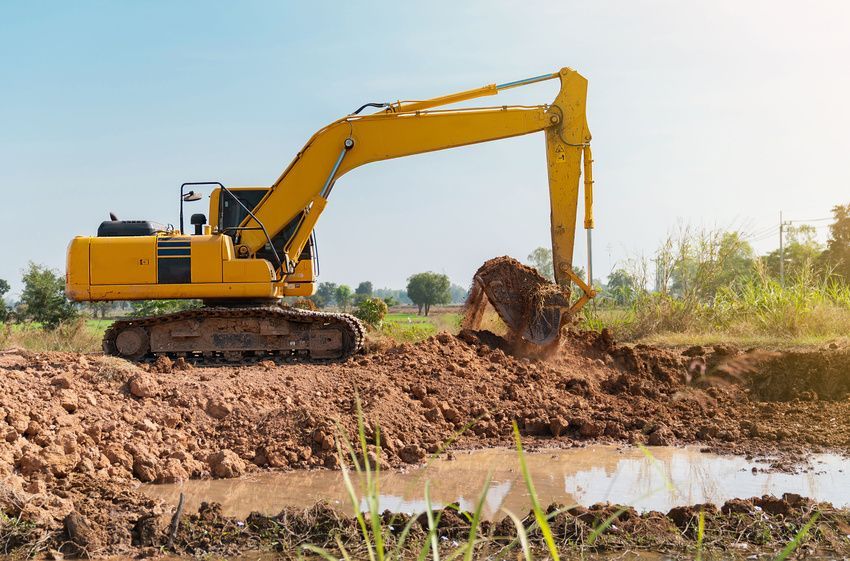
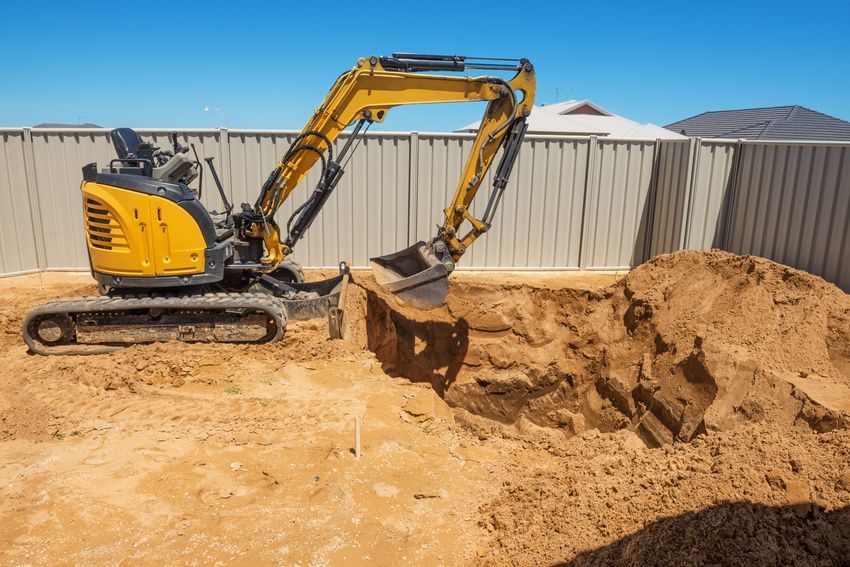
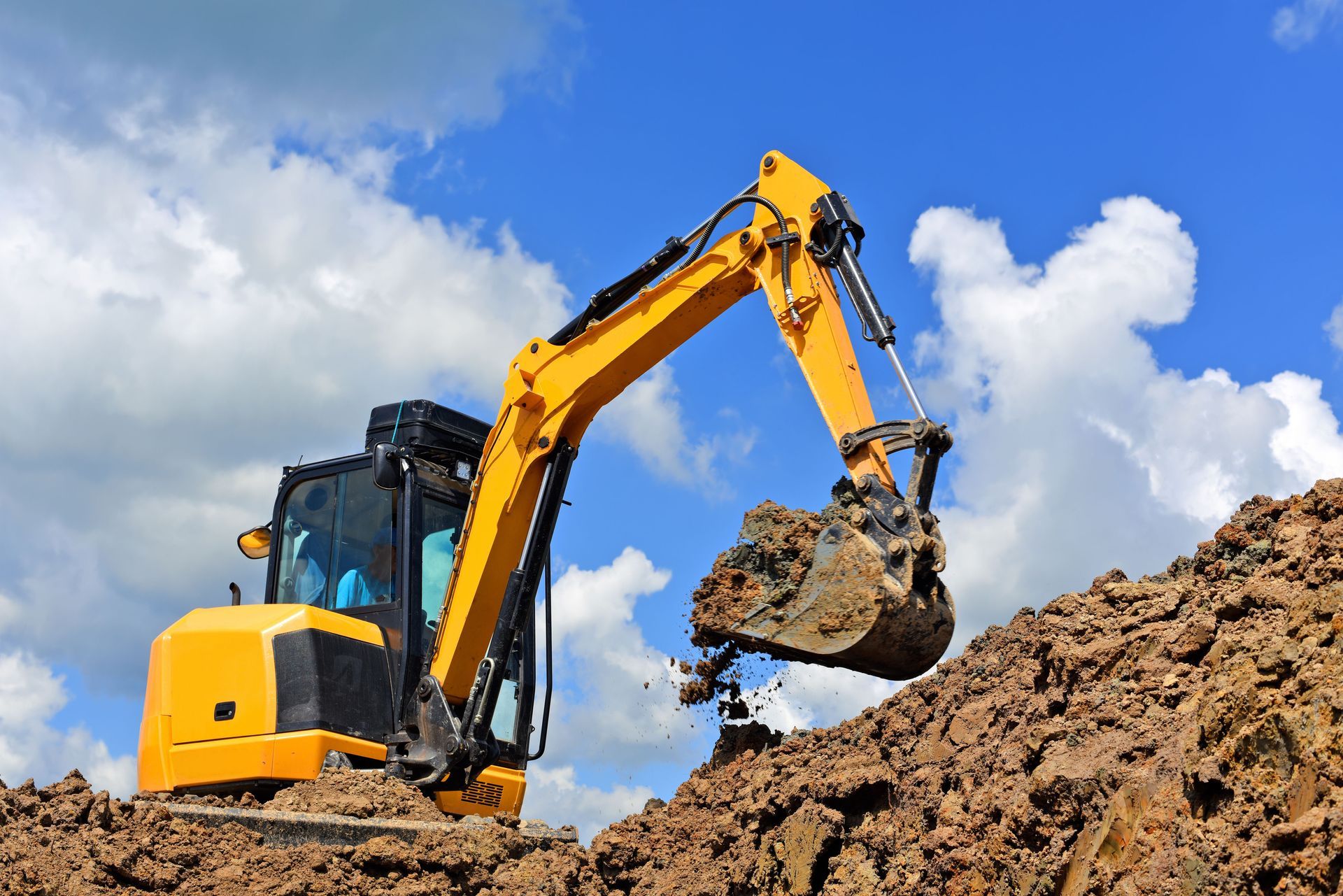
A professional excavation service uses appropriate equipment and techniques to adjust soil elevations according to site conditions. The objective is not simply to move dirt. It is to establish useful contours that support drainage while fitting the existing property, landscaping, structures, and planned improvements.
Controlling Surface Runoff
Fast-moving water can be just as problematic as standing water. When runoff travels across bare or sloped soil, it can carry away topsoil and gradually deepen channels. Over time, repeated erosion can change the shape of the yard and expose roots, undermine landscaping, or leave uneven areas that are difficult to maintain.
Strategic excavation can help establish grades that slow or redirect runoff before it concentrates. Depending on the property, drainage improvements may work alongside swales, drainage channels, culverts, or other site features. The right approach depends on the slope, soil, existing drainage patterns, and destination for collected water.
Protecting Soil From Erosion
Erosion often begins with a relatively small area of disturbed or exposed soil. Once rainfall repeatedly passes through that location, the affected area can expand. This can be particularly concerning on sloped properties, where gravity gives water additional force as it moves downhill.
A professional excavation service can help address the underlying grade that contributes to erosion rather than treating only the visible damage. Properly shaped soil can provide a more stable surface for subsequent landscaping, vegetation, drainage features, or other improvements. Addressing the cause can make future maintenance more manageable and help preserve the usable portions of a yard.
Preparing Sites Before Seasonal Storms
Fall can bring periods of frequent rain, while winter and early spring may introduce snowmelt and saturated ground. These changing conditions can expose drainage weaknesses that were less noticeable during warmer, drier months. Preparing a property before the wettest periods arrive can give homeowners an opportunity to address grading and erosion concerns proactively.
According to HomeGuide, small excavation projects may take about 1 to 3 days, while larger projects can take 3 weeks or longer when conditions such as rocky soil, rock shelves, or large boulders require additional work. Project duration, therefore, depends heavily on the property's size, soil, terrain, and scope. Planning ahead can help account for those variables and reduce scheduling pressure when seasonal weather arrives.
Preserving Landscaping and Structures
Drainage and erosion problems do not always remain confined to open soil. Persistent water can affect planted areas, walkways, driveways, patios, and other features when runoff is not properly directed. Soil movement near structures may also create uneven conditions that become increasingly difficult to correct.
Professional excavation can support a broader property protection strategy by establishing grades that work with existing improvements. Careful planning is important around trees, utility lines, foundations, retaining walls, and other site features. The goal is to improve drainage without creating a new problem elsewhere on the property.
Supporting Long-Term Yard Stability
A drainage solution should account for what happens after the initial work is complete. Soil needs to settle appropriately, and the finished grade should continue directing water toward an appropriate discharge area. If runoff is simply moved from one low spot to another, the original concern may return in a different location.
This is why site-specific planning matters. A professional excavation service considers the relationship between elevation, water flow, soil conditions, and nearby property features. That approach can help create a yard that handles normal precipitation more effectively instead of relying on repeated corrective work.
Reducing the Risk of Expensive Repairs
Small drainage issues can become more costly when they are allowed to continue. Repeated erosion may remove valuable topsoil, damage landscaping, expose roots, or alter grades. Standing water can also leave parts of a property difficult to use and maintain. Correcting contributing site conditions earlier may reduce the chance that these problems spread.
Excavation is not a one-size-fits-all process. Some properties need limited grading, while others require more substantial earthwork because of terrain, soil conditions, existing structures, or drainage patterns. Professional assessment helps match the scope of work to the property's actual needs rather than applying the same approach to every yard.
Planning a More Reliable Drainage Strategy
Effective drainage begins with understanding the property and ends with creating a practical path for water. Excavation can be one part of that process, particularly when existing grades contribute to pooling or erosion. When the work is planned around the property's terrain and seasonal conditions, improvements can support both immediate drainage needs and longer-term yard stability.
Homeowners do not have to wait for a major washout or persistent flooding to consider professional help. Changes in grading, new areas of standing water, visible soil loss, or runoff that repeatedly approaches structures can all indicate that an evaluation may be worthwhile. Addressing these signs early can make it easier to plan appropriate improvements before the next round of severe weather.
Improving Water Flow
When construction, landscaping, or settling changes a property's slope, runoff can behave differently than it did originally. A professional excavation service can evaluate those changes and plan grading that encourages water to move toward a drainage area. This is useful for yards where rain repeatedly crosses one low section.
Addressing Challenging Terrain
Clay-heavy soil, compacted fill, rocky ground, and uneven elevations can affect drainage work. A professional excavation service considers these conditions when determining how earthwork should proceed. Site access, structures, and landscape features can also influence the scope.
Coordinating Drainage Improvements
Drainage work may coincide with landscaping, driveway projects, utility installation, additions, or retaining features. A professional excavation service can account for these plans when shaping the site, helping improvements work together rather than creating conflicting grades.
Choosing Timely Professional Support
Waiting until erosion becomes severe can make problems harder to manage. A professional excavation service can help identify conditions and establish a path forward. Seasonal weather makes planning especially valuable, allowing property owners to address drainage concerns before rainfall causes further movement.
For property owners who need dependable site preparation and drainage-focused earthwork, JC Myers Construction can provide professional excavation services tailored to the conditions of the property and the goals of the project. Contact JC Myers Construction today to discuss your excavation and yard drainage needs and take the next step toward a more stable, better-drained property.