October 13, 2026
Erosion control is an important part of protecting soil, landscapes, infrastructure, and surrounding ecosystems. When rain, wind, flowing water, or other forces move soil from one location to another, erosion can damage land and create problems for nearby structures and waterways. These risks can increase when land is cleared or disturbed during development. Understanding erosion and the available construction services that can help manage it allows property owners, developers, and communities to make informed decisions about soil stability and environmental protection.
Understanding Erosion Control
Defining Erosion Control
Erosion control includes practices designed to prevent soil loss, stabilize disturbed ground, and manage water runoff. Its purpose is to keep soil in place while reducing the effects of sediment movement on properties, waterways, and infrastructure. Effective erosion control can also help protect foundations, slopes, drainage systems, and surrounding landscapes from damage.
Identifying Erosion Types
Erosion can occur through water, wind, ice, and gravity. Water erosion is especially common when heavy rainfall or flowing water removes exposed soil. Wind can carry loose topsoil away from open areas, while ice can gradually reshape land in colder regions. Gravity can contribute to landslides and rockfalls, particularly on steep or unstable slopes.
Recognizing Erosion Components
Several components can be used to manage erosion, including physical barriers, vegetation, and bioengineering techniques. Silt fences, terraces, retaining structures, and sediment basins can help control water and soil movement. Vegetation provides another layer of protection because plant roots help hold soil together while foliage reduces the force of rainfall reaching the ground.
Identifying Causes of Erosion
Evaluating Natural Factors
Natural erosion is influenced by rainfall, rivers, wind, ice, soil composition, and terrain. Areas exposed to frequent storms or flowing water may experience faster soil loss than protected locations. Steep slopes can also be especially vulnerable because gravity and runoff work together to move soil downhill.
Addressing Human Activities
Human activity can significantly increase erosion. Clearing vegetation, grading land, agriculture, mining, and development can expose soil that was previously protected. During development, properly planned construction services can incorporate erosion control measures to reduce soil displacement and help protect surrounding properties and waterways.
Considering Climate Conditions
Changing weather patterns can create additional erosion challenges. Intense rainfall can increase runoff and wash away exposed soil, while drought can leave soil dry and vulnerable to wind erosion. Coastal areas may also face increased erosion from storms and changing water levels. These conditions make proactive erosion management increasingly important.
Applying Erosion Control Methods
Using Vegetative Solutions
Vegetation is one of the most natural ways to stabilize soil. Grasses, shrubs, and trees can anchor soil with their roots while reducing the impact of rainfall and wind. Native plants are often useful because they are adapted to local environmental conditions. Vegetation can also support healthier soil and surrounding ecosystems.
Installing Structural Solutions
Structural solutions are designed to control water movement and stabilize vulnerable areas. Retaining walls, riprap, terraces, check dams, and sediment basins can reduce runoff velocity and limit soil displacement. These measures are particularly useful on steep slopes, near waterways, and at disturbed development sites.
Combining Control Methods
Using vegetation and structural measures together can provide more comprehensive protection. Structures can offer immediate stabilization while plants become established and provide long-term soil support. The right combination depends on the property's slope, soil type, drainage patterns, climate, and intended use.
Adopting New Technologies
Modern erosion control can also incorporate technologies such as remote sensing, geographic information systems, biodegradable geotextiles, and soil bioengineering. These tools can help professionals identify vulnerable areas, monitor changes, and select appropriate solutions. As development needs continue to evolve, technology can support more efficient and sustainable construction services.
Determining When Erosion Control Is Necessary
Protecting Development Sites
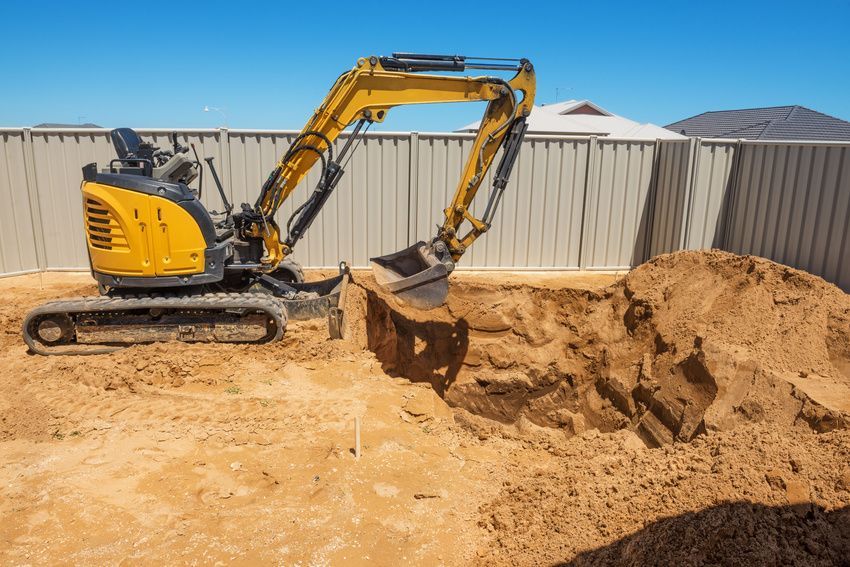
Construction and development sites are especially vulnerable because excavation, grading, and vegetation removal expose soil. Temporary measures such as silt fencing, erosion control blankets, and sediment basins can help keep disturbed soil from leaving the site. Professional construction services can also help development projects incorporate appropriate erosion control measures from the beginning. According to Globe Newswire, 2025 Global Growth: Global construction output is projected to grow by 2.8% in 2025, up from 2.3% in 2024. The pace is expected to accelerate further to 3.7% in 2026. As development activity grows, responsible erosion management becomes increasingly important.
Stabilizing Critical Landscapes
Watersheds, wetlands, coastal areas, and other environmentally sensitive locations can require careful erosion management. Excessive sediment can affect water quality, habitats, and drainage. Protecting these areas helps preserve their ecological functions while reducing risks to nearby communities and infrastructure.
Supporting Agricultural Land
Agricultural erosion can remove nutrient-rich topsoil and reduce the land's ability to retain water. Practices such as cover crops, contour farming, reduced tillage, and vegetation buffers can help protect productive soil. Managing erosion also reduces the amount of sediment that can enter nearby streams and drainage systems.
Recovering After Disasters
Floods, wildfires, hurricanes, and other disasters can leave soil exposed and unstable. Without vegetation or other protective measures, disturbed ground can erode quickly during subsequent rainfall. Hydroseeding, erosion control blankets, replanting, and structural stabilization can help reduce additional damage while landscapes recover. Experienced construction services may also support site stabilization and restoration efforts when damaged areas require professional attention.
Following Erosion Control Requirements
Reviewing Applicable Regulations
Erosion control requirements vary by location and project type. Development projects may be subject to rules concerning stormwater runoff, sediment management, land disturbance, and protection of waterways. Understanding applicable requirements early in the planning process can help prevent delays and compliance problems.
Coordinating With Local Authorities
Local governments may establish requirements based on regional soil conditions, drainage patterns, environmental concerns, and development standards. Working with the appropriate authorities can clarify which erosion control measures are needed for a particular project.
Maintaining Compliance
Erosion control is not always a one-time installation. Measures may need regular inspection, maintenance, repair, or adjustment as weather and site conditions change. Proper maintenance helps ensure that protective systems continue functioning throughout the project.
Improving Erosion Control Results
Assessing Site Conditions
Effective erosion management begins with understanding the site. Soil composition, slope, drainage, vegetation, rainfall patterns, and existing erosion should all be considered when selecting control measures. A site-specific strategy is generally more effective than relying on a single solution for every property.
Planning Before Development
Addressing erosion before significant soil disturbance can reduce complications later. Planning allows protective measures to be incorporated into grading, drainage, landscaping, and other project elements. Early preparation can also reduce the potential for environmental damage and costly corrective work.
Maintaining Protective Measures
Even properly installed erosion controls can become less effective when damaged, clogged, displaced, or neglected. Regular inspections after major rainfall and throughout active development can help identify problems early. Prompt maintenance keeps erosion control systems working as intended.
Choosing Professional Erosion Control Solutions
Erosion can affect soil stability, infrastructure, water quality, and the long-term success of development projects. From vegetation and drainage management to structural stabilization, the appropriate solution depends on site-specific conditions and the severity of the erosion risk. Professional construction services can help incorporate effective erosion control into development and land-management projects while addressing environmental and structural concerns.
For reliable assistance with projects that require thoughtful planning, stabilization, and site protection, contact JC Myers Construction to discuss your project and available solutions. A professional team can evaluate the conditions affecting your property, help identify appropriate erosion control strategies, and provide solutions designed around the project's specific needs. Taking action early can help minimize soil loss, protect surrounding areas, and support a safer, more stable site throughout development.