October 9, 2026
Heavy rain can create significant challenges for excavation projects, whether work is taking place on a residential property, commercial development, or large construction site. While some moisture is expected during outdoor construction, prolonged or intense rainfall can change soil conditions, create standing water, damage prepared surfaces, and make it more difficult for crews and equipment to work safely. Understanding these risks can help property owners and project managers plan ahead and reduce unnecessary delays.
According to IBISWorld, there were 3,874,466 construction businesses in the U.S. in 2024, highlighting the enormous scale of construction activity across the country. With so many projects relying on properly prepared sites, managing weather-related challenges is an important part of keeping work on schedule. In this article, we will explore how heavy rain can affect excavation projects and why professional planning matters when wet weather occurs.
Changes in Soil Conditions
One of the most immediate effects of heavy rain is a change in soil conditions. Dry or moderately moist soil may provide the stability needed for excavation equipment to operate effectively. However, significant rainfall can saturate the ground and make soil softer, heavier, and more difficult to work with.
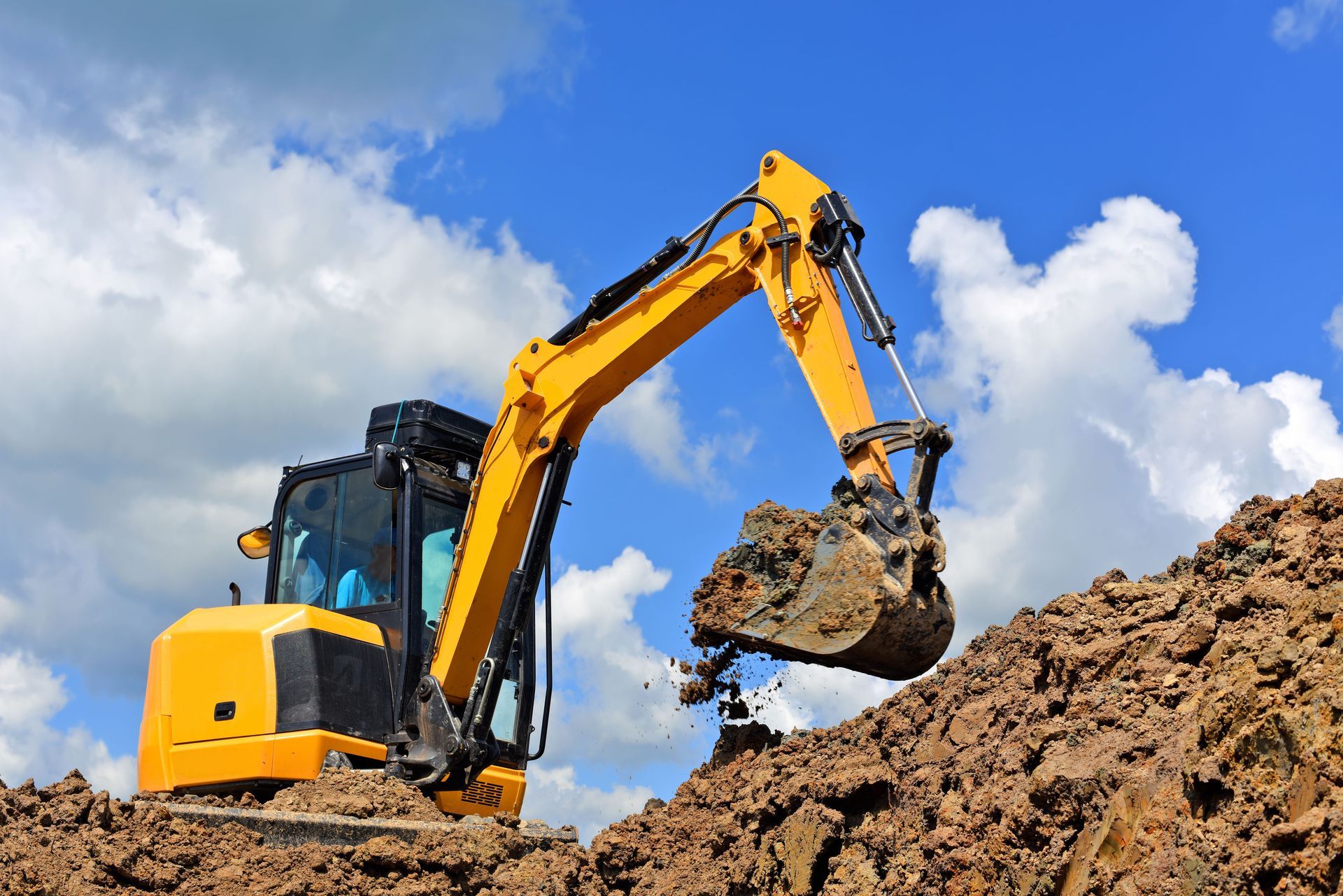
When soil becomes saturated, excavation equipment may have difficulty moving across the site without creating deep ruts or disturbing areas that have already been prepared. An experienced excavation service can assess the condition of the soil and determine whether work can continue safely or whether the site needs time to dry.
Wet soil can also behave differently depending on its composition. Clay, sand, gravel, and other materials respond differently to excessive moisture. Understanding those differences is important when determining how rainfall could affect digging, grading, trenching, or other excavation activities.
Increased Risk of Erosion
Heavy rain can cause water to move rapidly across an excavation site. As water flows over exposed soil, it can carry loose material away, resulting in erosion. This can alter slopes, wash sediment into unwanted areas, and affect the dimensions of an excavation.
Erosion can become particularly problematic around trenches, foundations, drainage areas, and sloped sections of a site. If soil is displaced, additional grading or excavation may be necessary to restore the site to the appropriate specifications.
A professional excavation service can account for drainage and runoff when preparing a project. Temporary measures may also be necessary to direct water away from exposed soil and reduce the amount of material that rainfall can carry away.
Water Accumulation in Excavated Areas
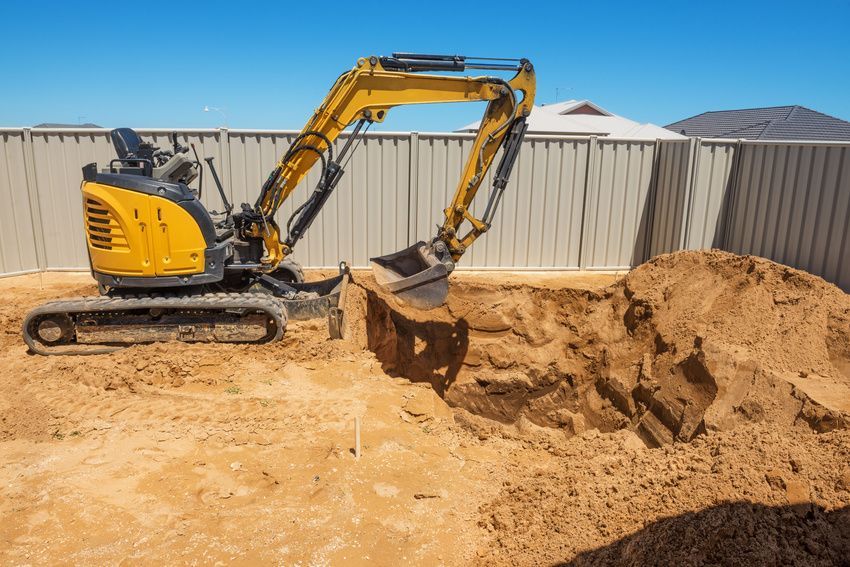
Rainwater naturally collects in low areas, and excavation can create additional locations where water accumulates. Trenches, foundation excavations, pits, and other depressions can fill quickly during a heavy storm.
Standing water can interfere with ongoing work and may make the bottom of an excavation unstable. It can also conceal hazards or make it difficult for workers to accurately assess the condition of the excavated area.
An excavation service may need to address accumulated water before work can resume. Depending on the project, this could involve pumping, improving temporary drainage, or allowing the site to dry before additional work takes place. Addressing water properly helps prevent crews from continuing under unsuitable conditions.
Equipment Can Become Less Effective
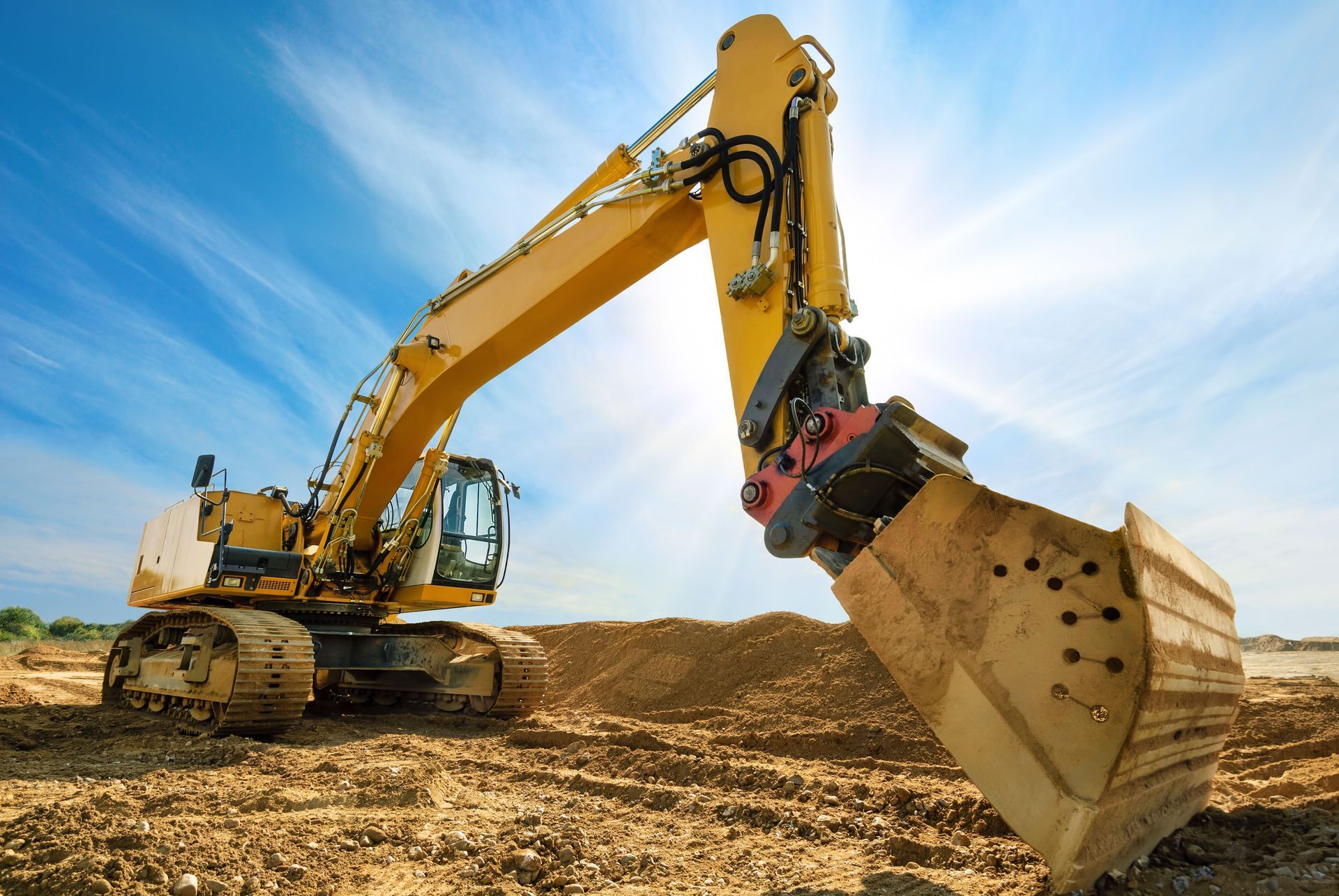
Heavy equipment depends on stable ground conditions. Excavators, loaders, skid steers, and other machinery can become more difficult to operate when a site is saturated with water.
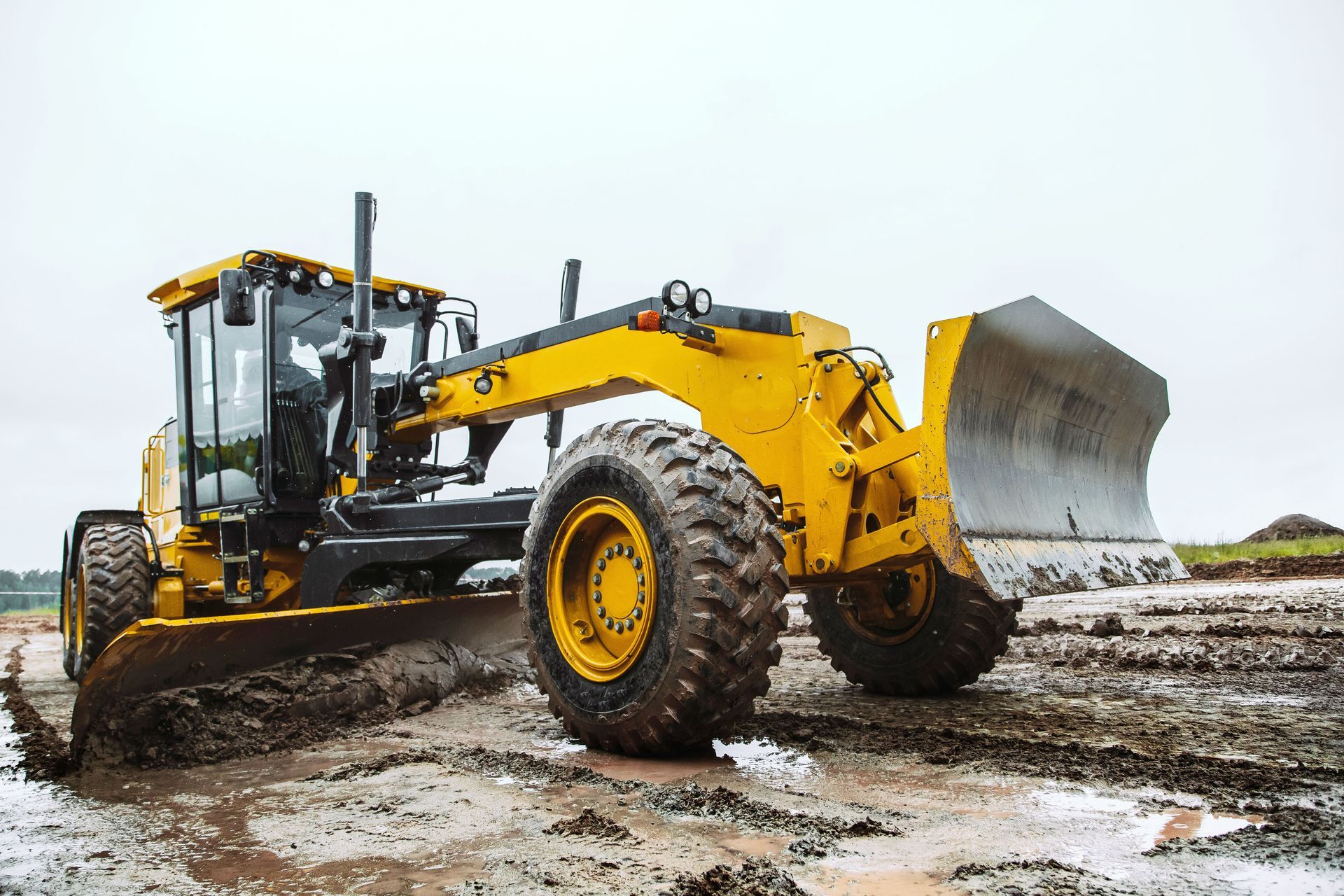
Soft ground can cause equipment to sink, become stuck, or leave deep tracks. These issues can make moving machinery around the property more time-consuming. In some circumstances, equipment movement can also disturb areas that were previously graded or compacted.
A qualified excavation service can evaluate ground conditions before bringing heavy machinery into particularly wet areas. Delaying certain activities may sometimes prevent greater damage to the site and reduce the amount of additional work required later.
Project Timelines May Be Extended
Rain can affect more than the excavation itself. When conditions become unsafe or unsuitable, work may need to pause until the site becomes stable enough for crews and equipment to return.
Even a short weather delay can affect the broader construction schedule. Excavation often needs to be completed before foundations, utilities, drainage systems, roads, or other phases can move forward. A delay at the beginning of a project can therefore create scheduling challenges for subsequent contractors.
Working with an experienced excavation service can make it easier to adjust the schedule when unexpected weather occurs. Professionals can identify which tasks can continue and which should wait until conditions improve.
Drainage Planning Becomes More Important
Proper drainage is an important consideration for excavation projects, particularly in areas that regularly experience heavy rainfall. Without appropriate water-management measures, rain can repeatedly collect in the same locations and interfere with construction.
Before and during excavation, professionals can consider the natural flow of water across the property. Temporary channels, grading adjustments, drainage systems, and other solutions may help direct water away from critical work areas.
A knowledgeable excavation service can incorporate site conditions into the project plan rather than treating rainfall as an unexpected issue after water has already accumulated. This type of preparation can help minimize disruption when storms occur.
Safety Risks Can Increase
Heavy rain can create several safety concerns on an excavation site. Muddy surfaces can become slippery, visibility may decrease during severe storms, and saturated soil can be less stable than expected.
Excavated walls and slopes require particular attention because changing soil conditions can increase the potential for instability. Water can also make it more difficult to identify hazards around trenches and other excavated areas.
An excavation service should evaluate conditions before crews resume work following significant rainfall. If the site has changed substantially, additional inspections and adjustments may be necessary before workers and equipment return.
Cleanup and Restoration May Be Necessary
Heavy rain can leave behind mud, sediment, debris, and displaced soil. Even after a storm passes, the project may require additional cleanup before excavation activities can continue.
In some cases, areas that were previously prepared may need to be regraded or compacted. Eroded sections may need to be restored, while excess water or mud may need to be removed from work areas.
A professional excavation service can help determine what restoration is needed after a significant storm. Addressing these conditions promptly can help keep the project moving while protecting the quality of the work already completed.
Planning for Wet Weather
Although heavy rain cannot be prevented, construction teams can prepare for its potential effects. Monitoring weather forecasts, allowing flexibility in project schedules, evaluating drainage, and protecting exposed areas can all help reduce weather-related complications.
It is also useful to recognize that not every rain event requires a complete shutdown. Site conditions, rainfall intensity, soil composition, project requirements, and the type of excavation being performed all influence whether work can safely continue.
An experienced excavation service can evaluate these factors and recommend an appropriate approach based on the actual conditions at the property.
Heavy rain can affect nearly every stage of an excavation project, from soil stability and erosion to equipment operation, drainage, safety, and scheduling. While some weather-related delays are unavoidable, proper preparation and professional oversight can help reduce the impact of storms on construction progress.
Choosing an experienced excavation service gives property owners and project managers access to professionals who understand how changing ground conditions can affect excavation work. If your project is preparing to begin or you are dealing with wet conditions at an active site, contact JC Myers Construction to discuss the safest and most practical way to move forward.