August 6, 2026
Concrete walkways are a staple of modern residential and commercial landscape architecture, balancing clean curb appeal with essential functional durability. However, not all concrete hardscapes are created equal, and many fail long before their time. Achieving a pathway that survives decades of heavy foot traffic and changing weather requires meticulous planning, precise structural engineering, and proper structural installation methods. From choosing the correct material mix to executing rigorous sub-grade preparation, many unseen factors determine whether an exterior hardscape remains pristine or quickly degrades into a safety hazard. Property owners must understand the mechanics behind a durable path to protect their long-term landscape investments. This article analyzes the technical elements of a resilient sidewalk concrete installation to help you see if your property's walkways are truly built to stand the test of time.
The Foundation: Groundwork for Longevity
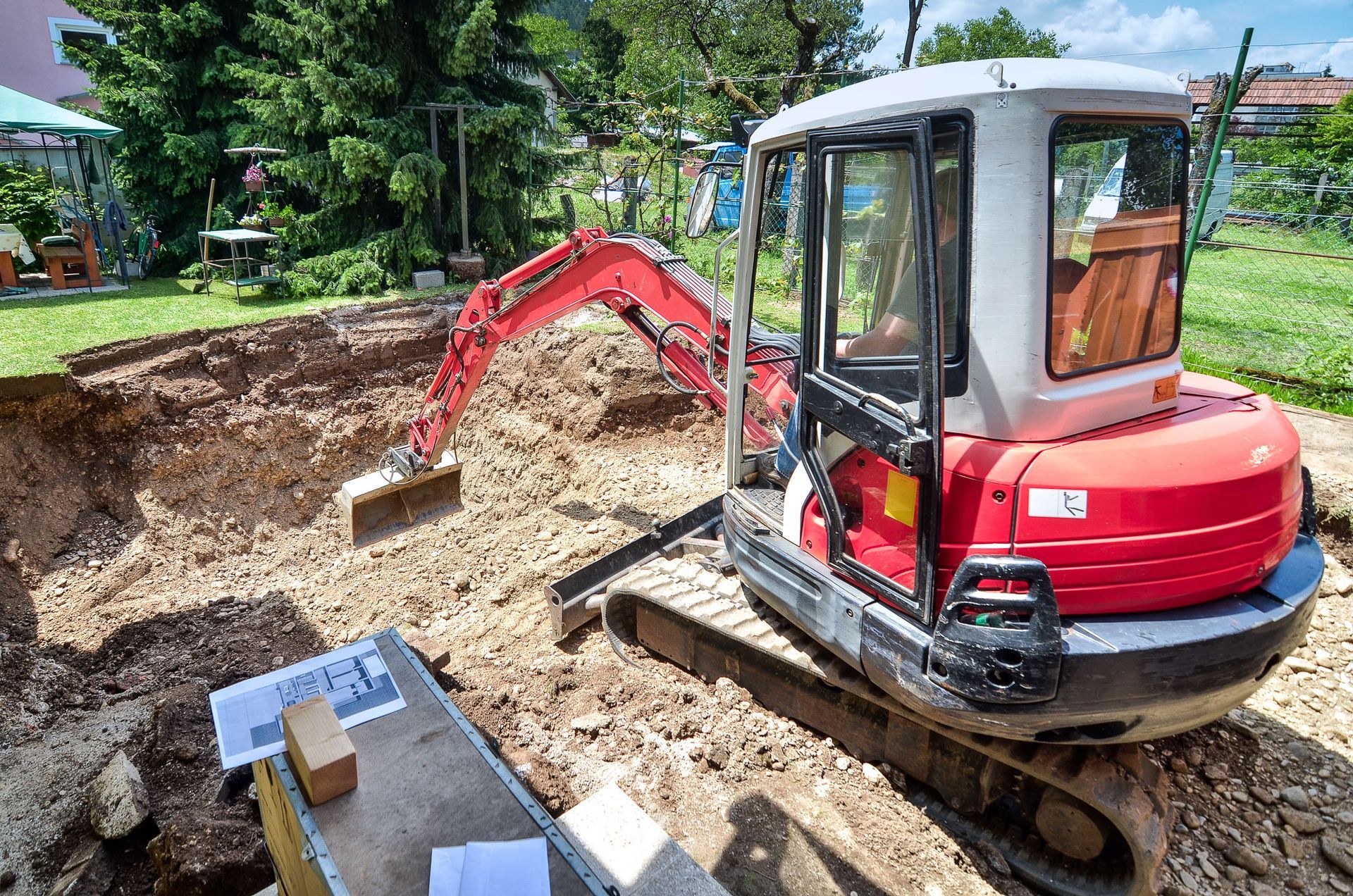
A concrete walkway's ultimate structural durability begins long before the actual delivery truck pours a single yard of wet concrete on-site. A prepared, fully stabilized base layer distributes weight evenly across the entire slab surface, which dramatically minimizes internal tension points. This structural foundation must consist of a thick layer of heavily compacted gravel or crushed stone aggregate, an intentional configuration that promotes rapid stormwater drainage away from the concrete. Without this crucial base, structural concrete slabs remain incredibly vulnerable to subsurface shifting, localized soil settling, and severe winter erosion.
Improper preparation of the underlying subgrade is a primary catalyst behind premature structural concrete failure in modern landscapes. When the gravel base lacks correct mechanical compaction, pooling rainwater can easily infiltrate beneath the surface, undermining subsoil stability and causing slabs to crack under pressure. This vulnerability worsens significantly in high-traffic zones or locations subject to heavy external loads, such as riding lawnmowers or heavy maintenance vehicles. Furthermore, areas prone to freezing winters require robust, deeply engineered foundation solutions to resist continuous freeze-thaw expansion cycles. Adapting your foundation strategy to local soil conditions ensures excellent performance over decades. Working with certified structural professionals ensures that every phase of sub-grade preparation perfectly matches your regional climate, ensuring a reliable sidewalk concrete installation that remains level for years to come.
Choosing the Right Mix and Reinforcement
The specific material composition of your structural concrete mix directly dictates its ultimate load-bearing capacity and environmental resilience. A highly durable mix demands a precise chemical balance of quality cement, clean water, and aggregate materials customized for outdoor exposure. Property owners must evaluate compressive strength ratings—measured in pounds per square inch—and slump values to secure long-term performance. Higher-quality concrete mixes minimize fine surface micro-cracks, prevent cosmetic flaking, and offer superior resistance against continuous friction and ongoing abrasion. According to Home Advisor, concrete sidewalks last 25 to 50 years before needing replacement due to the cumulative effects of weathering, foot traffic, and other forms of damage. Some damage can be repaired, especially if the sidewalk is less than 10 years old.
To fully capitalize on this lengthy lifespan, embedding physical reinforcement inside the wet concrete during the pouring phase is essential. Incorporating heavy-duty steel rebar or welded wire mesh grids provides critical tensile strength, allowing concrete slabs to flex slightly without cracking under intense external forces. Proper positioning of this internal steel reinforcement is paramount; it must sit perfectly suspended within the center of the vertical slab rather than sinking directly to the dirt bottom. Selecting a high-grade structural reinforcement package prevents the shifting of fractured sections even if minor surface hairline cracks occur over time. Prioritizing these premium structural materials during your initial sidewalk concrete installation ensures structural stability that successfully withstands decades of intense daily utilization.
Crucial Curing Techniques and Construction Pitfalls
Curing is the vital chemical hydration phase that directly influences both the immediate surface hardness and long-term durability of an exterior walkway. Proper curing requires continuous moisture retention over several days, allowing the cement compounds to bond completely with the surrounding aggregates to form a dense crystalline structure. Neglecting this crucial phase leads to weak surfaces, high permeability, and severe structural scaling. Industry standards recommend a minimum curing window of seven continuous days using moisture-retaining blankets or specialized liquid curing compounds.
Avoiding common structural construction mistakes during this volatile phase is absolutely essential for maximizing your hardscaping return on investment. One frequent error made by inexperienced crews is over-diluting the wet concrete mixture with excessive water on-site simply to make it easier to pour and smooth out. This shortcut dilutes the vital cement-to-water ratio, creating an inherently weak structure that cracks under minimal structural pressure. Inadequate slab depth calculations also compromise long-term walkway stability, as high-traffic residential pathways require a thicker pour to prevent premature buckling. By enforcing strict quality control, utilizing proper tools, and choosing highly skilled professionals for your sidewalk concrete installation, you avoid these costly structural errors entirely.
Advanced Material Selection and Aggregates
Aggregates comprise roughly 60% to 75% of total concrete volume, making their structural quality critical to overall path performance. A well-proportioned blend of hard, clean, coarse gravel and fine sand aggregates minimizes internal shrinkage while optimizing weight distribution and load resistance. Utilizing premium aggregate materials free from clay or organic impurities prevents internal chemical degradation over time. Additionally, modern sustainable developments encourage incorporating recycled concrete aggregates or industrial fly ash to enhance aggregate density while reducing your project's overall carbon footprint.
Chemical admixtures can further customize your concrete mix to survive specific environmental threats. Air-entraining agents are indispensable in colder climates, creating millions of microscopic air bubbles that give freezing water room to expand without fracturing the concrete matrix from within. Other specialized additives, such as water-reducing plasticizers and silica fume, lower overall permeability to prevent moisture from reaching and rusting the internal steel reinforcement. Investing in these advanced chemical enhancements during the sidewalk concrete installation stage keeps your exterior pathways looking beautiful and functioning flawlessly.
Technological Innovations in Concrete
The professional paving industry continues to evolve with cutting-edge material technologies that redefine modern walkway durability standards. For instance, ultra-high-performance concrete (UHPC) provides unprecedented compressive strength and flexibility, allowing for thinner slabs that possess incredible impact resistance against heavy objects. Another exciting development is self-healing concrete, which utilizes embedded microscopic capsules containing bacterial spores or chemical sealants that rupture and seal tiny fissures automatically when moisture enters. Furthermore, smart concretes with integrated fiber-optic sensors allow commercial property owners to monitor internal structural stress in real-time. Exploring these advanced material options allows you to design highly resilient, modern pathways. By integrating these technical innovations into a residential or commercial sidewalk concrete installation, you ensure your paths remain safe and functional well into the future.
Environmental Pressures: Weather and Soil Dynamics
Exterior concrete walkways face constant battles against natural environmental elements. Intense seasonal temperature shifts, high winds, and heavy downpours cause gradual wear on unprotected porous surfaces. For instance, standing water can seep into unsealed concrete, leading to severe internal erosion if adequate slope and drainage paths are neglected during the initial layout phase. Furthermore, the characteristics of the underlying soil play a massive role in long-term slab alignment. Expansive clay soils swell significantly when wet and shrink when dry, placing immense physical stress on concrete walkways above. Stabilizing this underlying subgrade with chemical stabilization additives or modern geotextile fabrics minimizes subsurface shifting, ensuring a reliable, unyielding base for your sidewalk concrete installation.
When you are ready to invest in beautiful, long-lasting exterior concrete features, partner with an experienced local hardscaping team. For premier craftsmanship and durable execution, trust the experts at JC Myers Construction. Contact JC Myers Construction today to design and execute your next professional sidewalk concrete installation with complete confidence!