July 8, 2026
In the journey to building a new home, one of the critical steps involves preparing the land for construction. Preparing the land isn't just about removing trees and debris; it involves a series of complex processes that ensure the site is safe and accessible. From assessing the terrain to managing vegetation and ensuring environmental compliance, land clearing sets the foundation for all future construction activities. Let's delve into the role of land clearing services in ensuring that your lot is ready for a smooth and successful building process.
Surveying the Land
Surveying the land is the first step in a meticulous assessment process that determines the condition and characteristics of a lot before clearing. This involves detailed topographical surveys and mapping processes that identify the land's natural features and potential challenges. An accurate survey helps determine the best approach for land clearing, including the identification of any obstacles such as rock formations, wetlands, or slopes. These initial surveys are critical in guiding the planning process, allowing for the development of tailored strategies that address the unique conditions of each lot. Accurate data gathered during the surveying phase ensures that subsequent steps in the land clearing process can proceed smoothly and efficiently.
Aside from mapping the land, surveying often includes soil testing and analysis to assess its suitability for construction. These tests provide valuable insights into the soil's composition, pH levels, and drainage capabilities, which influence the overall construction plans. Soil imperfections or inadequacies need to be addressed early to avoid complications during construction. Professional survey teams use advanced technology and equipment to gather this data, ensuring precise and reliable results. By understanding the land's natural attributes through detailed surveys, project managers can make informed decisions on land clearing methods and construction techniques.
Tree and Shrub Clearing
Tree and shrub clearing is a crucial component of the land clearing process, as it prepares the site for construction, ensuring that the lot is free of obstructions. This involves selectively removing trees, shrubs, and other vegetation that pose challenges or that may interfere with construction activities. While the removal process aims at ensuring construction readiness, the environmental impact is always considered, and efforts are made to preserve trees that add aesthetic or ecological value to the area. The removal of excess vegetation improves site accessibility, facilitates soil stabilization, and helps define the work area for construction professionals. Efficient removal requires careful planning to avoid damaging existing infrastructure or valuable ecosystems.
To carry out tree and shrub clearing effectively, professional land clearing services employ specialized equipment and techniques that ensure safety and precision. Chainsaws, bulldozers, and other heavy machinery may be used to remove larger trees, with smaller shrubs and underbrush managed through the use of mulching machines. Proper training and safety protocols are essential to conducting these operations without causing risks to personnel or the property itself. Moreover, professional land clearing services consider the potential for erosion, employing methods to protect soil integrity where vegetation has been removed. By combining skilled labor with state-of-the-art equipment, land clearing teams ensure that tree and shrub clearing is completed efficiently and safely.
Grading and Soil Stabilization
Grading is a critical aspect of the land clearing process that involves reshaping the land's surface to ensure proper water drainage and a stable foundation for construction. Proper grading prevents water accumulation around the foundation, which can cause structural damage or lead to soil erosion over time. By leveling the land, grading creates an even and stable surface where construction can proceed safely and efficiently. The process also includes creating slopes around the perimeter of the building site to direct water away, preventing future water-related issues. A well-graded property not only supports the longevity of the home but also enhances its overall value and livability.
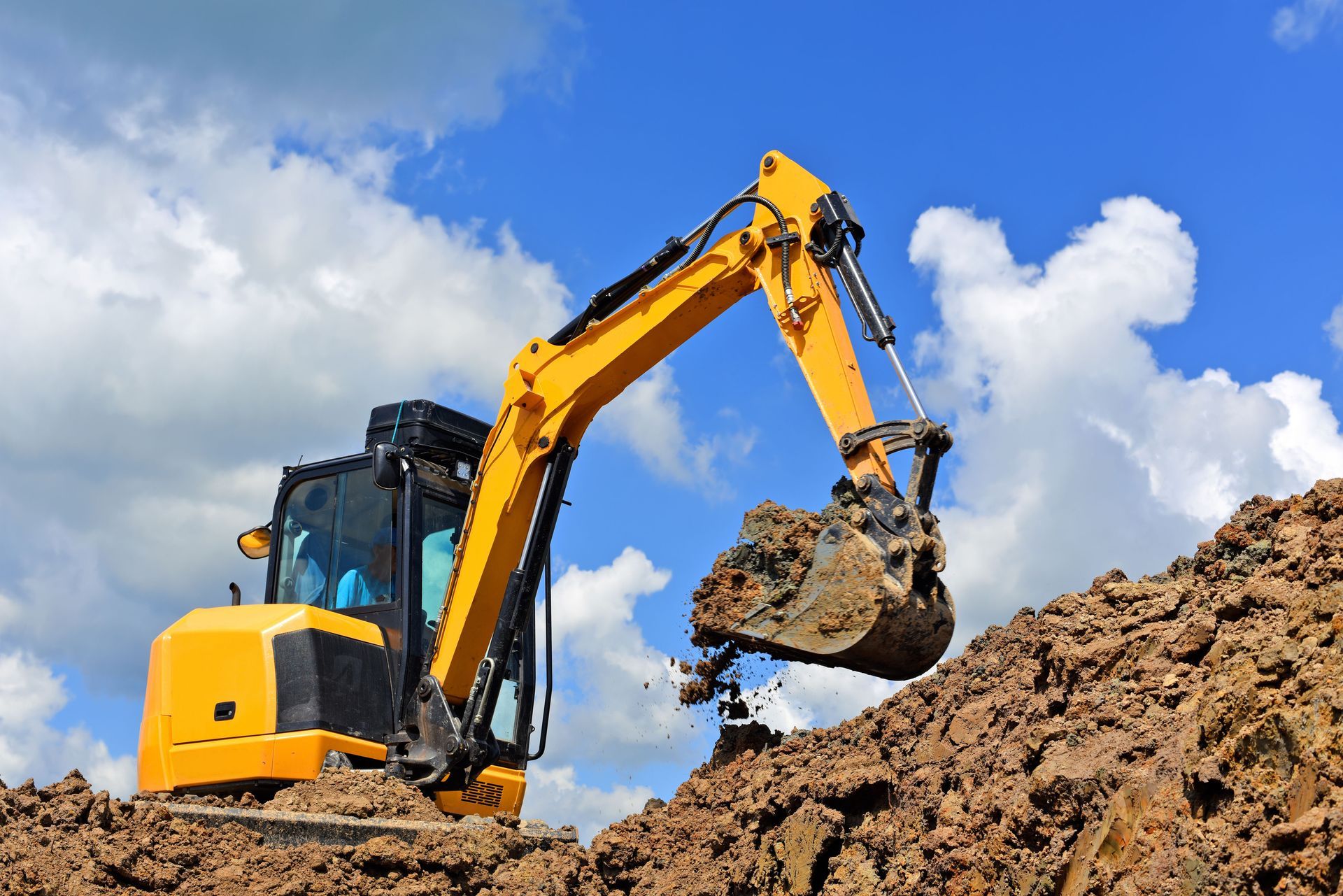
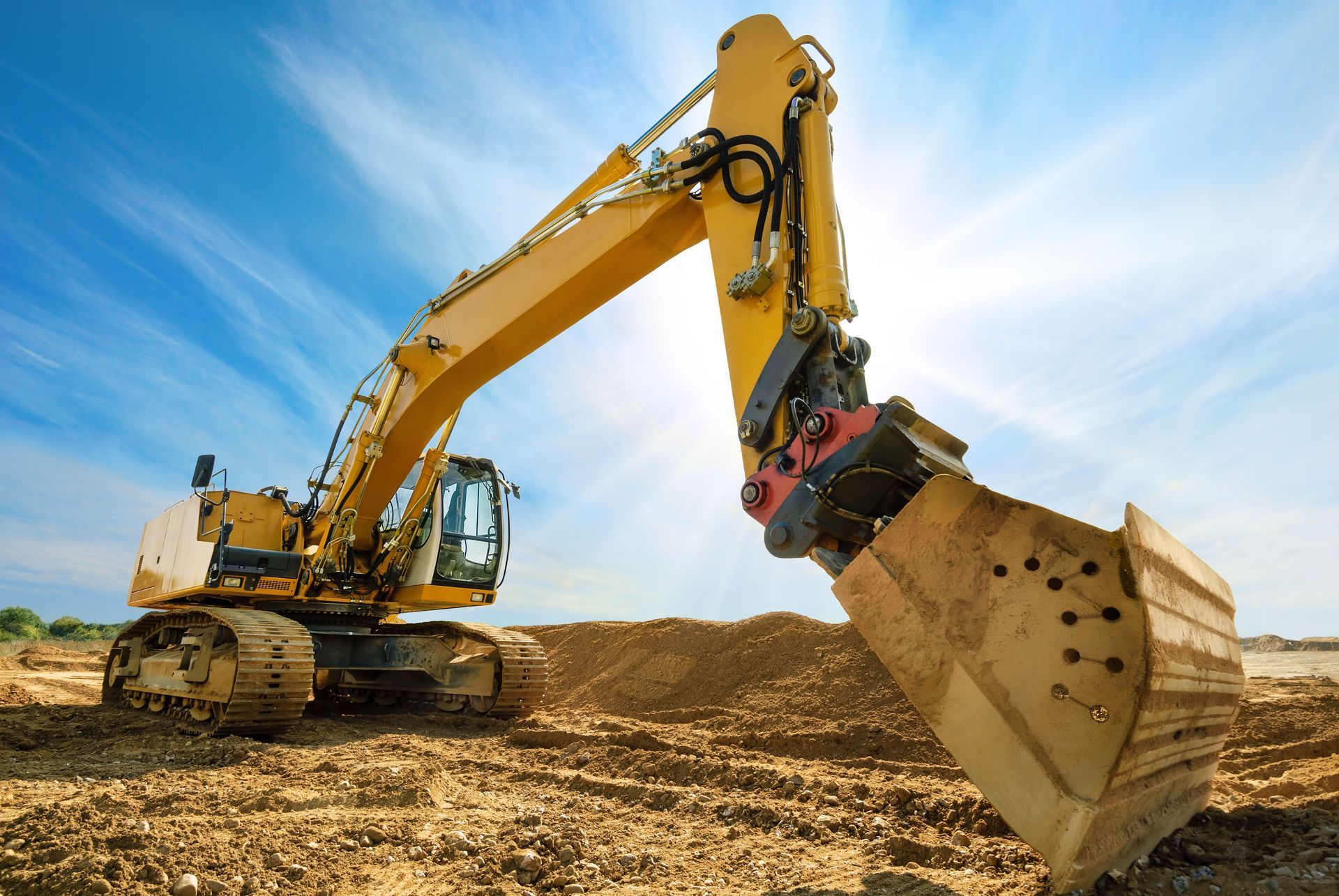
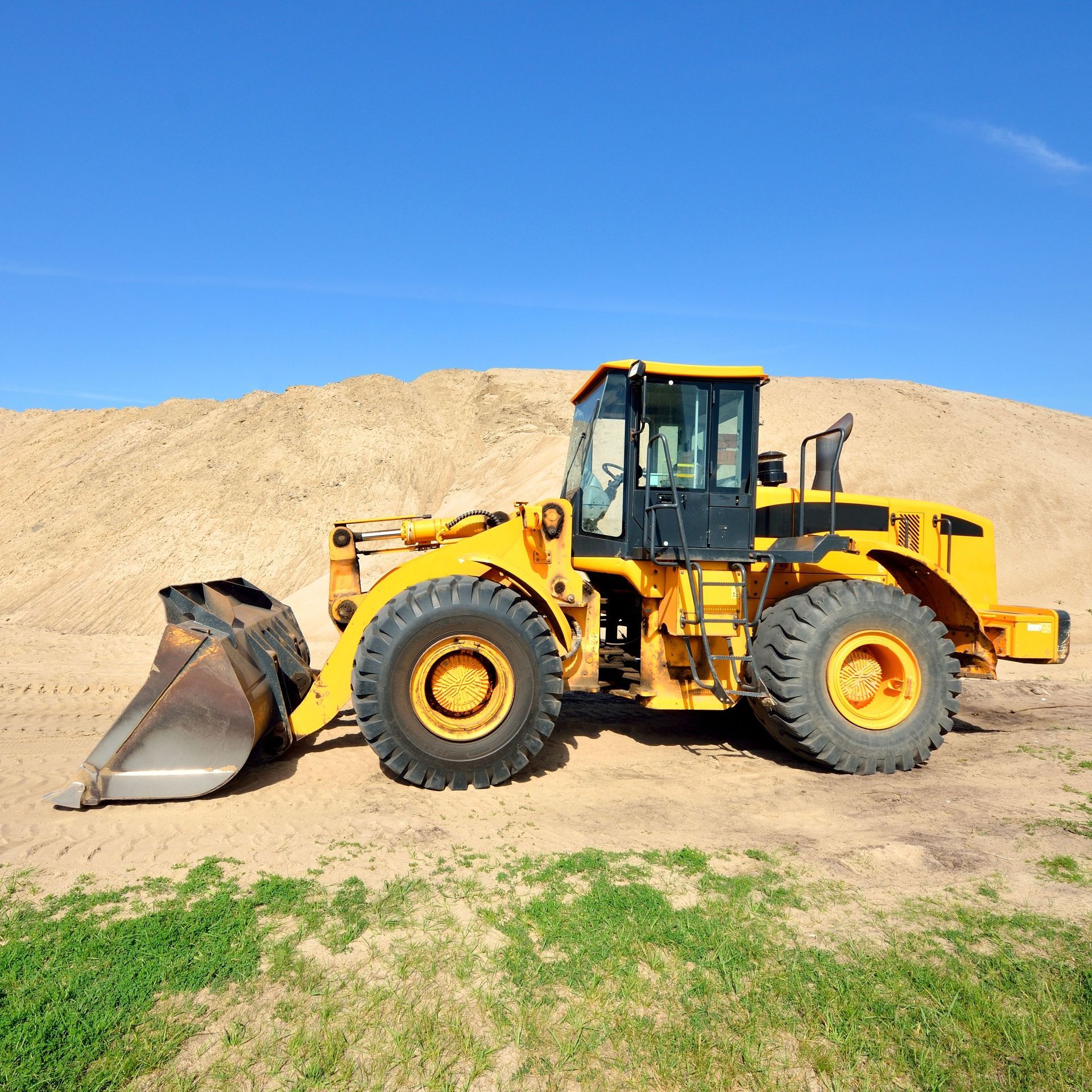
To achieve accurate grading, land clearing services use advanced machinery such as bulldozers, graders, and excavators, combined with precise measurements and engineering expertise. These tools help shape the land to meet specific design requirements while ensuring accuracy and uniformity in the finished grade. Professional grading also involves assessing factors like soil composition, existing contours, and water flow patterns to create a customized solution for each site. This tailored approach ensures that the grading process aligns seamlessly with overall construction plans and meets the demands of regional climate conditions. The expertise of professional land clearing services is crucial for executing proper grading, which sets the foundation for a successful build.
Identifying Structures for Removal
Dealing with existing structures on a lot is a key consideration in the land clearing process, as not all structures will fit within the new construction plans. The first step is to conduct a thorough assessment of the property to identify any structures, such as old houses, garages, sheds, fences, or paved surfaces, that must be removed. Understanding the historical or current use of these structures helps determine whether they should be demolished, repurposed, or retained as part of the new development. Engaging with local authorities may be necessary to determine any legal implications related to the removal of certain structures. This ensures compliance with zoning regulations and community guidelines that might affect demolition and disposal practices.
Once the structures for removal have been identified, a detailed demolition plan is developed to ensure safe and effective execution. Safety is a priority during demolition, with strict adherence to industry protocols and use of protective gear. Demolition teams are trained to use specialized equipment for structure dismantling, aiming for minimal disturbance to the surrounding soil and environment. A reliable service will spend a great deal on quality equipment, as indicated by the fact that purchases usually make up about 36% of the costs of an excavation contractor, according to IBISWorld.
During this process, attention is also paid to the salvage potential of building materials that can be reused or recycled. Careful planning ensures that the project is carried out efficiently and supports sustainable practices, emphasizing the reduction of waste.
Post-Clearing Processes
Following the completion of land clearing activities, a detailed site inspection is conducted to ensure all preparations align with regulatory standards and project specifications. This involves examining all elements of the clearing process, from debris removal to soil adjustments, verifying that the lot is ready for construction. Professional inspectors look for compliance with safety protocols, checking for potential hazards or deficiencies that need rectification before the building can proceed. They also review the environmental management practices employed to ensure that all efforts were made to preserve natural resources and address ecological concerns. A successful site inspection brings assurance that the expansive project, built on a foundation of thorough preparation, can now move forward safely and successfully.
Once the site inspection passes, the next step involves finalizing lot boundaries and confirming that the area is prepared for construction according to the finalized blueprints. This crucial stage sets the parameters for the construction activities that follow, ensuring that all land alterations match the intended design and comply with local planning regulations. Professional surveyors often revisit the site to reestablish boundary markers, making certain that these are visible and unequivocally accurate. This guarantees that builders work within pre-approved perimeters, avoiding disputes or setbacks related to property lines. The clarity brought about by having precise boundaries enhances coordination between all parties involved in the project, supporting a cooperative and organized build process.
Land clearing services play a pivotal role in preparing a lot for new home construction. By understanding the comprehensive processes involved, homeowners can ensure that they are ready to embark on the exciting journey of building their dream home on a safe and stable lot. From initial assessments and strategic planning to meticulous execution of clearing and post-preparation activities, these services lay the groundwork for successful projects. To learn more, reach out to the experts at JC Myers Construction today!