July 7, 2026
Excavation projects have long been integral to shaping our physical landscapes, from towering skyscrapers to intricate roadways. Despite their significance, there are myriad misconceptions around excavation service work, often fueled by sensationalized media portrayals or outdated perceptions. Understanding the nuanced realities of excavation projects is crucial not just for industry professionals but also for the public. With advancements in technology and growing environmental awareness, the excavation sector continuously evolves, challenging previous notions. Let's dispel a few widespread misconceptions about excavation projects, providing clarity and insight into the true nature of this vital industry.
Misconception 1: All Excavation Projects Are Environmentally Destructive
Understanding Environmental Regulations
The belief that all excavation service projects inherently harm the environment overlooks the rigorous regulations instituted across the globe. Governments and environmental bodies mandate strict adherence to guidelines aimed at minimizing ecological impacts. Companies must conduct thorough Environmental Impact Assessments before commencing projects, ensuring that potential adverse effects are identified and mitigated. Violations of these regulations can lead to significant penalties, reinforcing the importance of environmental stewardship in excavation. This shift towards responsible practices reflects a broader trend towards sustainable development in various industries.
Use of Sustainable Practices and Technologies
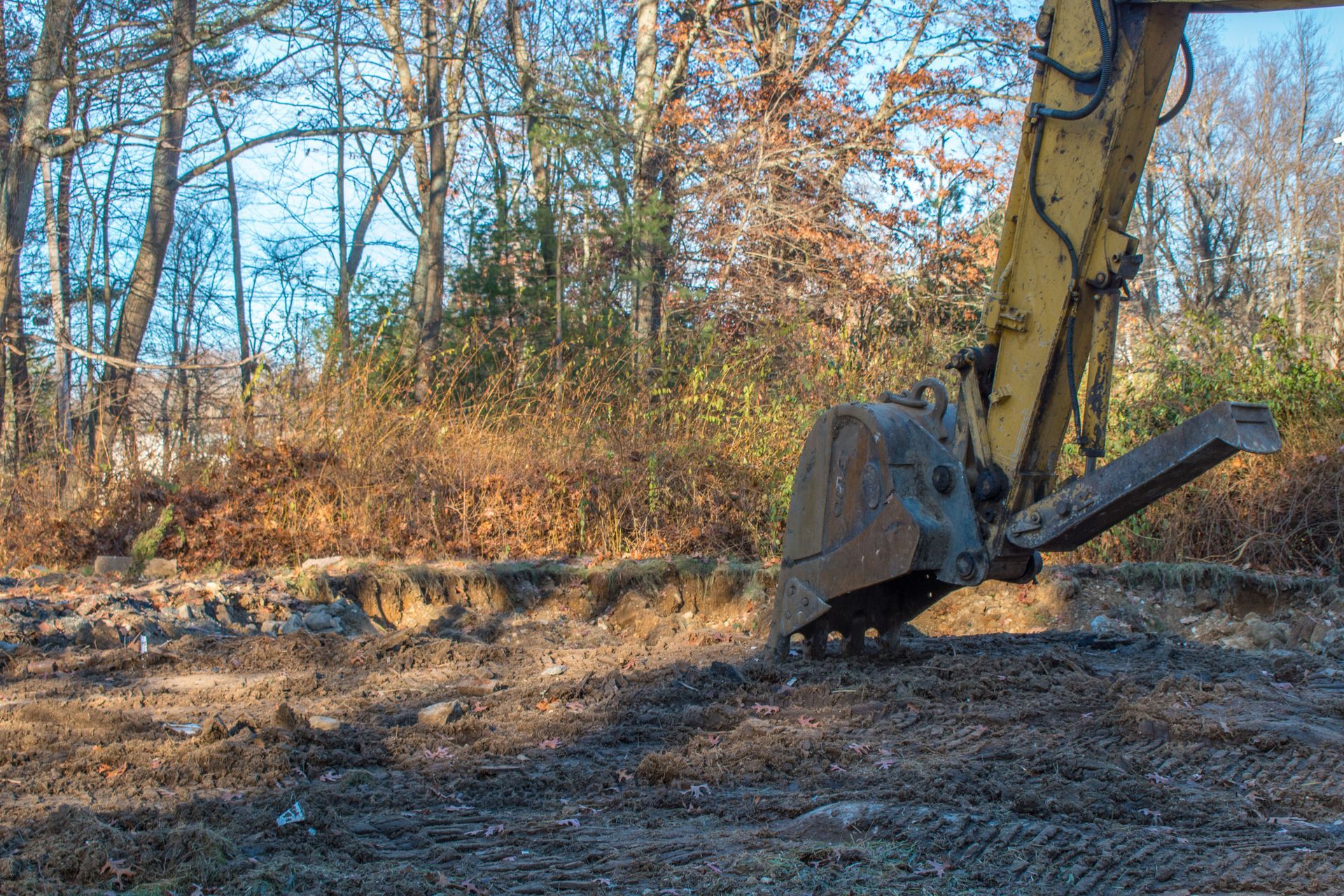
Modern excavation projects increasingly employ sustainable practices and advanced technologies to minimize their environmental footprint. Innovations such as precision excavation equipment reduce waste and energy consumption by targeting specific soil and rock layers. Additionally, using biodegradable lubricants and recycling construction materials lessen environmental impacts. Sustainable practices aren't just about reducing harm; they also often lead to cost savings and increased efficiency. As these technologies proliferate, they play a crucial role in altering the public's perception of excavation's environmental impact.
Misconception 2: Excavation Is Only for Large Construction Projects
A Brief Overview of Small-Scale Excavation
Contrary to popular belief, an excavation service doesn't have to be confined to large-scale construction; it's equally vital in small-scale projects. Whether preparing a site for a new home or installing a backyard pool, excavation forms the backbone of these seemingly minor endeavors. The techniques employed may differ from those of larger projects, emphasizing precision and minimal disruption. These small-scale excavations are critical in residential settings, ensuring proper drainage and foundational stability. By recognizing the importance and prevalence of these smaller projects, we can appreciate excavation's broader applicability in everyday life.
Residential and Private Excavation Needs
Homeowners often require excavation services for various projects, ranging from landscape redesigns to utility installations. When planning for patios, gardens, and driveways, accurate excavation ensures aesthetic value and structural integrity. Unlike large construction projects, these residential projects often demand a personalized approach, catering to unique site specifications and client preferences. The growing popularity of home improvement contributes to the demand for skilled excavation services. As homeowners seek to enhance property value and functionality, excavation emerges as a crucial element in realizing residential aspirations.
Excavation in Landscaping and Outdoor Design
Beyond functional concerns, excavation plays an aesthetic role in landscape and outdoor design projects. From creating terraced gardens to installing decorative ponds, excavation shapes outdoor environments into works of art. The ability to reconfigure landforms allows designers to craft visually striking and environmentally harmonious spaces. As outdoor living gains popularity, so does the need for a skilled excavation service that seamlessly integrates planned features with natural surroundings. This combination of design and functionality underscores the versatility and creativity inherent in modern excavation efforts.
Misconception 3: All Excavation Equipment Is the Same
Different Types of Excavation Equipment
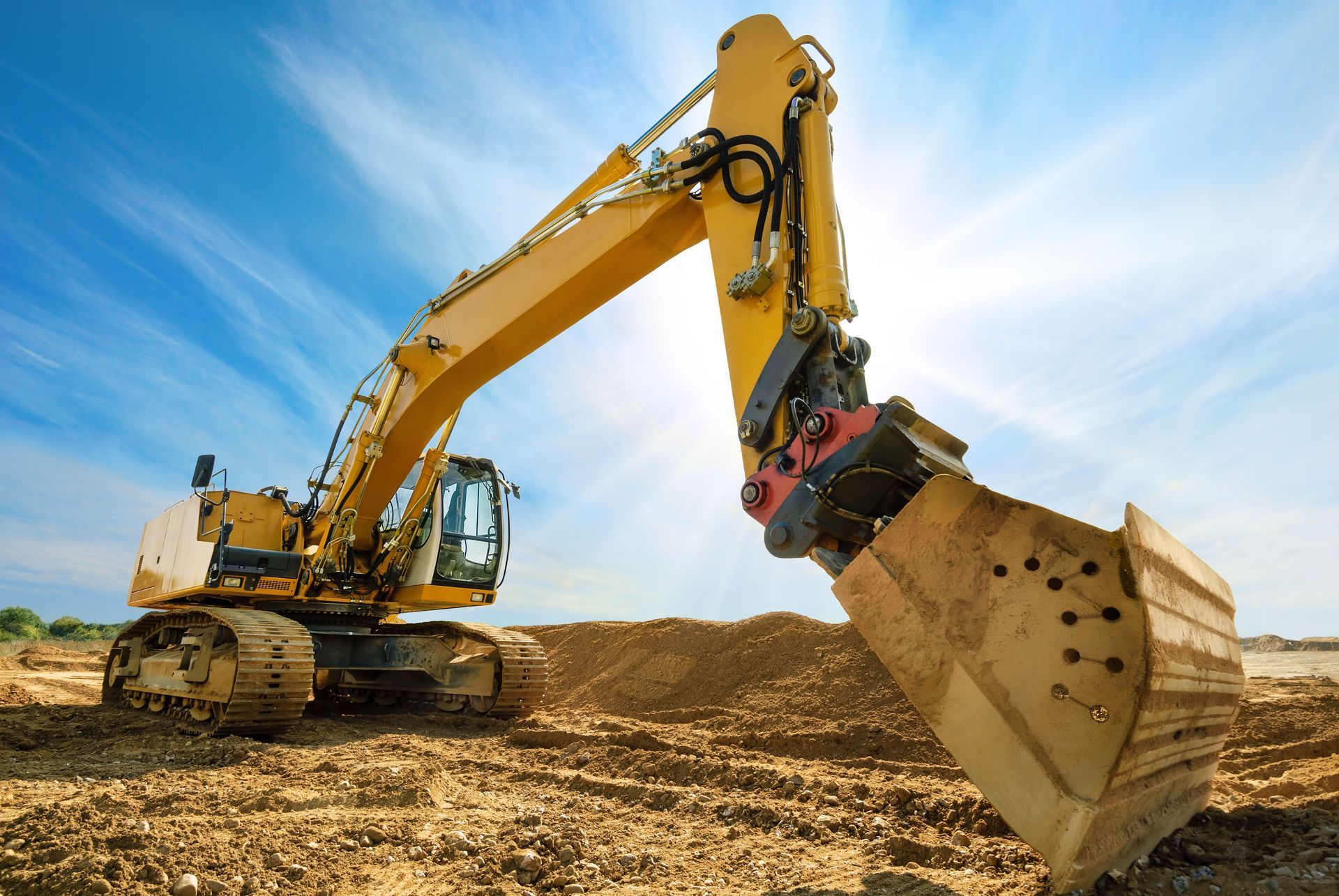
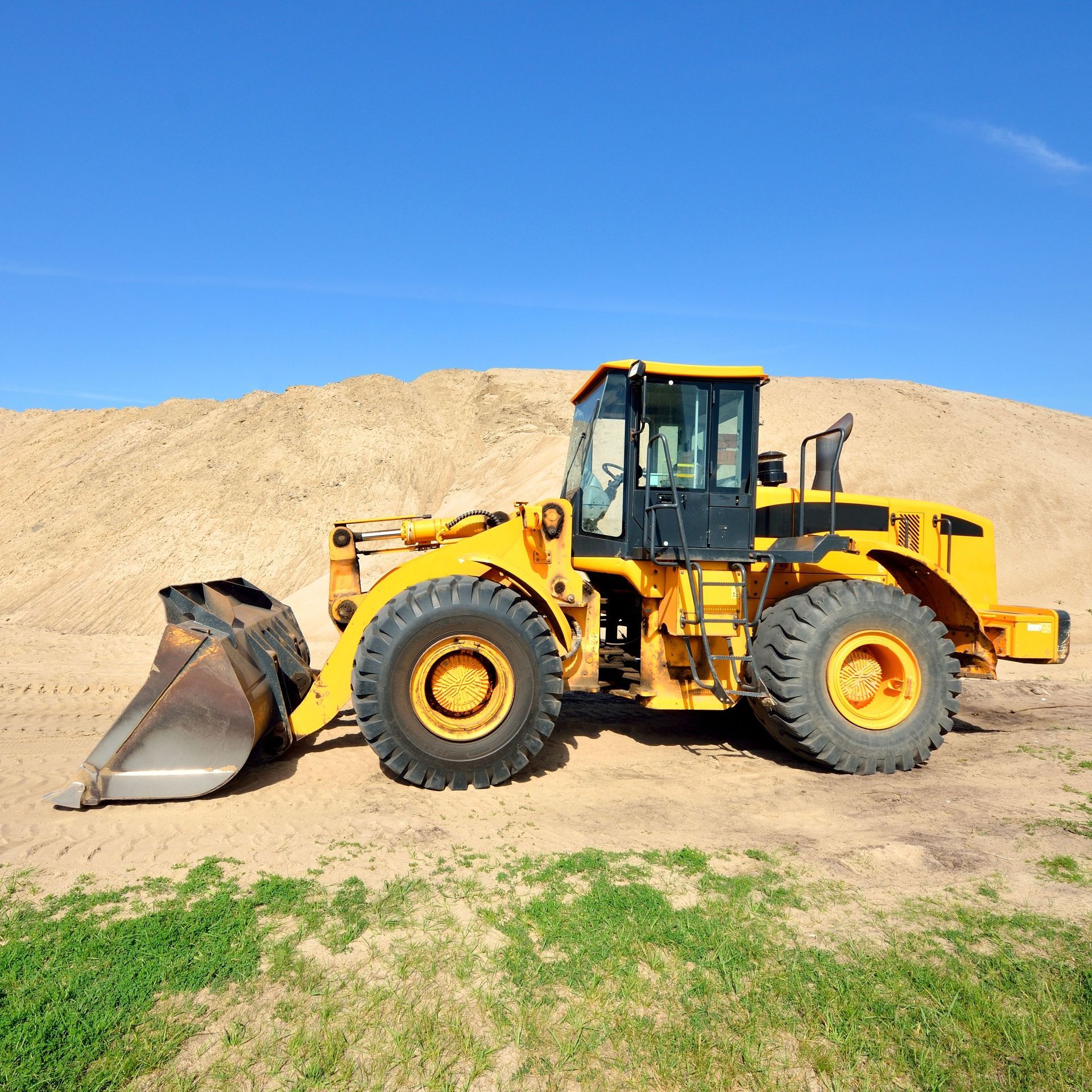
The notion that all excavation service equipment is the same fails to recognize the specialized machinery developed for various tasks. From backhoes to bulldozers, each piece of equipment is purpose-built to tackle specific project requirements. These machines vary in size, capability, and application, ensuring efficiency across diverse excavation scenarios. Matching the right equipment to the project minimizes waste and enhances productivity, reducing time and costs. As the industry grows, innovations in machinery continue to broaden the range of tools available for excavation professionals.
Matching Equipment to Project Needs
Choosing the appropriate excavation equipment is vital to project success, demanding a thorough understanding of site conditions and objectives. This selection process involves evaluating factors such as terrain type, material density, and project scale. By aligning equipment capabilities with project requirements, teams achieve optimal performance and resource utilization. The proliferation of specialized tools reflects the industry's responsiveness to changing demands and technological advancements. As such, equipment choice becomes a strategic component in delivering successful and efficient excavation projects.
Misconception 4: Excavation Is Too Dangerous
Understanding Safety Protocols
Safety in excavation projects is paramount, with robust protocols in place to protect workers and the environment. These protocols include comprehensive risk assessments, site inspections, and adherence to regulatory standards. By identifying potential hazards and implementing preventive measures, project teams uphold a culture of safety and accountability. Daily safety briefings and signage on-site inform and remind workers of best practices and risk factors. A commitment to rigorous safety protocols mitigates risks, reinforcing the idea that excavation projects, when managed properly, are not inherently dangerous.
Training and Certification of Workers
The foundation of a safe excavation project lies in the training and certification of its workforce. Skilled laborers undergo extensive training to familiarize themselves with equipment and safety procedures. Certifications ensure that workers are competent and adhere to industry standards, minimizing incidents of negligence or error. Continuous education initiatives update workers on emerging technologies and regulatory changes, further enhancing safety outcomes. With a well-trained workforce, excavation projects can be executed efficiently, prioritizing both safety and productivity.
Role of Safety Equipment and Technology
Technological innovations complement safety protocols by providing additional layers of protection for workers on-site. Personal protective equipment (PPE), such as helmets, gloves, and harnesses, safeguards individuals from physical hazards. Additionally, technology like real-time monitoring alerts teams to potential dangers, allowing for swift intervention. These advancements enable more proactive risk management strategies, ensuring a safer work environment. As safety technologies advance, their integration becomes increasingly essential in establishing secure excavation sites.
Misconception 5: Excavation Delays Are Inevitable
Planning and Project Management Techniques
Effective planning and project management techniques can significantly reduce the likelihood of excavation delays. This process begins with defining clear project goals, scope, and timelines, aligning team efforts toward a common objective. Detailed scheduling and resource allocation ensure tasks are prioritized, mitigating conflict and confusion. Regular progress reviews enable managers to identify potential issues early, implementing corrective measures before they escalate. By embracing proactive management, an excavation service achieves higher reliability and timely completion.
Dealing With Unforeseen Ground Conditions
Unforeseen ground conditions pose challenges that can disrupt project timelines; however, they are manageable with the right strategies. Thorough site investigations, including soil testing and geotechnical analysis, provide critical insights into potential obstacles. When unexpected conditions arise, flexibility in approach and contingency planning allow teams to adapt quickly, minimizing downtime. Collaboration with specialized geotechnical experts ensures problems are addressed with expertise and precision. By anticipating and preparing for challenges, project teams can navigate unforeseen ground conditions effectively, avoiding prolonged delays.
Understanding the truths behind excavation projects dispels common misconceptions and highlights the industry's adaptability and innovation. Excavation projects aren't inherently environmentally destructive, exclusive to large construction, or overly dangerous when properly managed. The variety of equipment, applications, and safety advancements underscores the excavation service industry's complexity and responsiveness to evolving needs. As broader awareness and education permeate public consciousness, the excavation sector continues to grow, reflecting a projected market value of $600.73 billion by 2029, according to Research and Markets, and online market research resource. Embracing factual knowledge and maintaining an openness to learning will foster more accurate perceptions, driving the industry toward sustainable and efficient practices. To learn more, reach out to the experts at JC Myers Construction today.