June 30, 2026
In this comprehensive guide, we will explore the essential aspects of foundation contractors, covering everything from their role and skills to selecting the right contractor for your needs. Understanding these fundamentals can help ensure the stability and longevity of your construction projects.
Understanding the Role of Foundation Contractors
The Importance of Solid Foundations
A solid foundation is essential for any building, as it supports the entire structure above it. Without a stable foundation, the integrity and safety of a building would be compromised, increasing the risk of collapse and structural damage. Foundation contractors are responsible for creating these essential bases, ensuring their stability and strength. They utilize specific engineering techniques and materials to construct these foundations according to the type of building and environmental conditions. Their expertise is fundamental to determining how a foundation will respond to changes in load, weather, and time.
Key Responsibilities of a Foundation Contractor
Foundation contractors are tasked with a variety of responsibilities that ensure the success of a construction project. They assess site conditions, develop plans, and execute the installation of foundations. These professionals must also coordinate with other construction team members, such as architects and engineers, to integrate their work with the overall construction plan. Managing schedules and resources effectively is another critical task they perform, ensuring projects are completed on time and within budget. Foundation contractors also oversee compliance with building codes and regulations, which is vital to meeting safety standards.
Skills and Qualifications Required
Skilled foundation contractors possess a mix of technical knowledge, problem-solving capabilities, and hands-on construction experience. They typically have a background in civil engineering or construction management, along with specialized training in foundation systems. Technical skills are essential, including the ability to read blueprints and understand structural engineering principles. Moreover, they need strong communication skills to collaborate effectively with homeowners, builders, and regulatory authorities. Adhering to safety practices and standards is also crucial, highlighting the importance of ongoing professional development and certifications.
Types of Foundations They Work With
Foundation contractors work with various foundation types, each catering to different structural requirements and environmental conditions. Common types include slab-on-grade, basement foundations, crawl space foundations, and pier and beam systems. Each type has unique features and installation techniques that foundation contractors must master. For example, slab-on-grade foundations are popular in regions with stable soil conditions, while basement foundations can provide additional living space in colder climates. The choice of foundation type significantly impacts the design and construction process, dictating material selection and construction methods.
Collaboration with Other Construction Professionals
A successful foundation project relies heavily on coordination and communication among various construction professionals. Foundation contractors frequently collaborate with architects during the design phase to ensure foundation plans align with the architectural vision. They also work closely with structural engineers, who provide input on load calculations and material specifications. Effective communication extends to construction managers, who oversee the project's progress and logistics. By working as a cohesive team, these professionals ensure that the foundation is integrated seamlessly into the overall construction plan, reducing the risk of costly mistakes and modifications.
The Process of Foundation Construction
Site Evaluation and Preparation
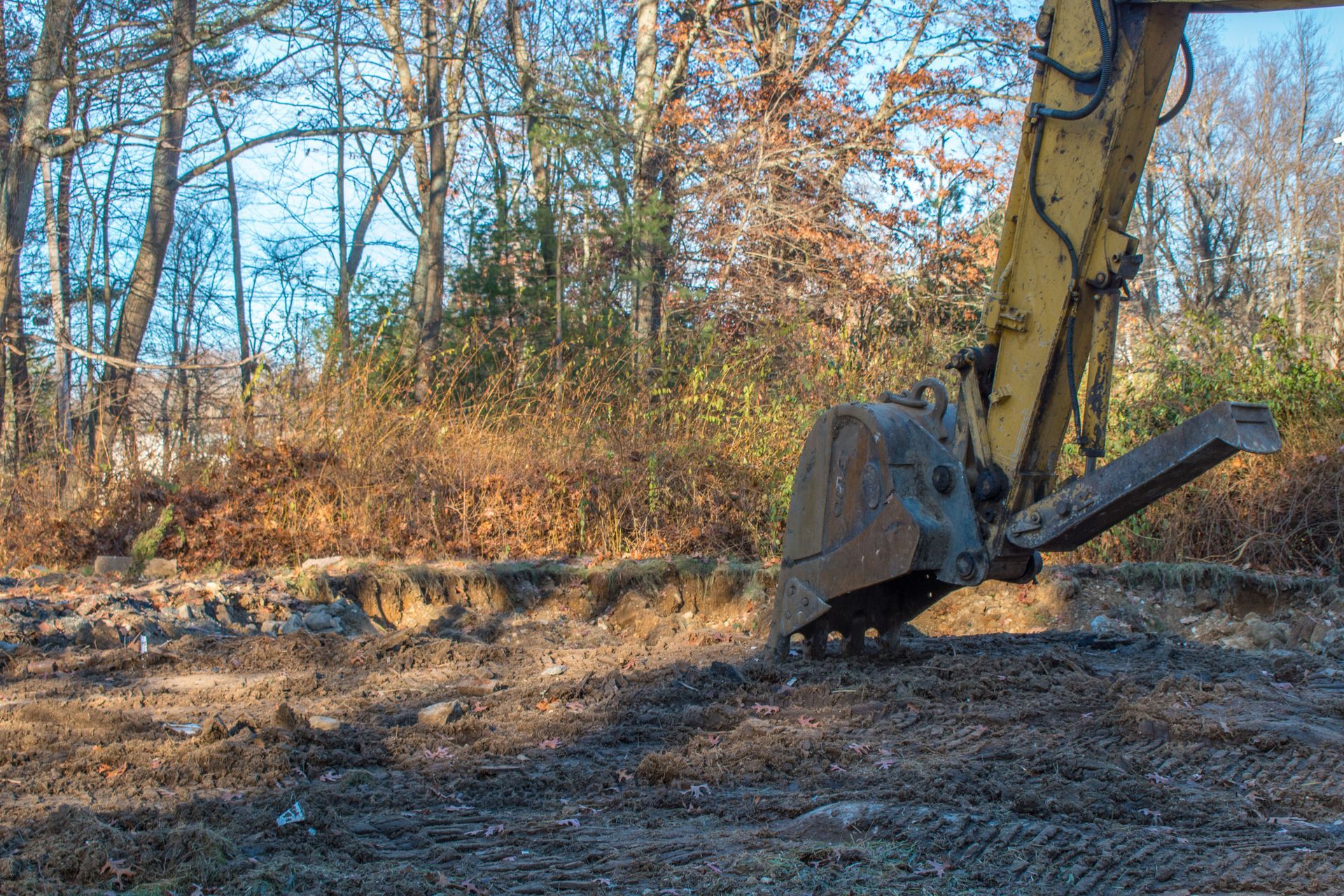
The foundation construction process begins with a thorough site evaluation, which assesses the soil conditions and topography. This evaluation is crucial to designing a foundation that can withstand environmental stresses and load requirements. Foundation contractors utilize geological surveys and soil tests to determine the soil's load-bearing capacity and stability. Following the evaluation, site preparation includes clearing the area of debris and vegetation, grading the site, and setting up temporary utilities. These steps ensure a stable and accessible working environment for the construction team, paving the way for the foundation's installation.
Design and Planning Phases
Once site preparation is complete, the design and planning phases begin, defining the characteristics and specifications of the foundation. In collaboration with architects and engineers, foundation contractors develop detailed blueprints that guide construction. These plans account for factors such as building load, local building codes, and environmental conditions. Foundation contractors then create a project schedule, outlining key milestones and deadlines. By establishing a clear plan, they can allocate resources effectively, anticipate potential challenges, and ensure the project progresses smoothly and efficiently.
Material Selection and Procurement
Material selection is a critical aspect of foundation construction, influencing the durability and performance of the foundation. Foundation contractors choose materials based on factors such as soil condition, climate, and building load. Common materials include concrete, steel reinforcement bars, and sometimes wood for temporary support structures. Procurement involves sourcing these materials from reliable suppliers while ensuring cost-effectiveness and quality. Foundation contractors must also manage the delivery and storage of materials, coordinating closely with suppliers to minimize delays and avoid disruptions to the construction schedule.
Construction Techniques and Methods
The construction of a foundation involves several specialized techniques and methods, each tailored to the specific type of foundation. Techniques such as excavation, forming, pouring, and curing concrete are integral to creating a robust foundation. Foundation contractors utilize precise measurements and leveling equipment to establish accurate alignment and elevation. During the construction process, they continually monitor environmental conditions, making adjustments as necessary to ensure quality and stability. Employing these techniques effectively results in a foundation that meets design specifications and is structurally sound.
Quality Assurance and Inspection
Quality assurance and inspection are essential components of the foundation construction process. Throughout construction, foundation contractors conduct inspections to ensure compliance with design standards and building codes. They also implement quality control measures, such as materials testing and on-site evaluations, to verify the foundation's integrity. Engaging third-party inspectors can also provide an additional layer of oversight, identifying potential weaknesses and areas for improvement. By prioritizing quality assurance, foundation contractors can deliver a foundation that provides long-term durability and safety for the building.
Selecting the Right Foundation Contractor
Evaluating Experience and Expertise
When selecting a foundation contractor, experience and expertise are critical factors to consider. A contractor's track record of successfully completed projects provides insight into their ability to deliver quality work. It's important to evaluate their portfolio, paying attention to the types of foundations they have worked with and the scale of previous projects. Discussing specific challenges and solutions they have encountered can also provide valuable information about their problem-solving capabilities. Ultimately, choosing a contractor with a proven history increases the likelihood of a successful foundation project.
Checking Licenses and Certifications
Ensuring that a foundation contractor possesses the appropriate licenses and certifications is essential to compliance and legality. Licensing confirms the contractor has met the standards set by regulatory bodies and possesses the necessary skills and knowledge. Certifications may reflect additional specialized training and a commitment to industry standards. Verifying these credentials can prevent legal complications and ensure the contractor operates with professionalism and expertise. An accredited contractor demonstrates both reliability and adherence to industry best practices, providing peace of mind for clients.
Reviewing Previous Projects and Testimonials
Reviewing a contractor's portfolio and client testimonials offers valuable insights into their work quality and customer satisfaction. Examining photographs and descriptions of completed projects allows clients to assess the contractor's craftsmanship and attention to detail. Testimonials and reviews provide firsthand accounts of clients' experiences, highlighting the contractor's strengths and areas for improvement. By gathering multiple perspectives, clients can make informed decisions, selecting contractors who have consistently delivered positive project results. Following up with references can further validate the contractor's credibility and reliability.
Foundation contractors play a crucial role in the construction industry, ensuring the stability and safety of structures. By understanding their responsibilities and processes, selecting the right professionals, and keeping abreast of industry trends, you can effectively manage foundation-related projects and address any challenges that arise. Be sure to reach out to JC Myers Construction today to learn more about our professional foundation contractors!