June 28, 2026
Foundation work begins long before any soil is moved. Proper evaluation of site conditions is one of the most important steps in preparing for a successful build. Factors such as soil stability, slope, drainage patterns, and access points all influence how excavation work should be completed. Professional excavation services help identify these conditions early to reduce risks and avoid costly adjustments later in the project.
Soil type plays a major role in determining how a foundation should be excavated. Clay-heavy soils may require different preparation techniques compared to sandy or rocky ground. Understanding how the soil may respond during construction helps guide decisions about depth, grading, and support needs. This early assessment helps ensure the foundation is built on a stable and reliable base.
Existing site features such as trees, utility lines, and nearby structures must also be reviewed before excavation begins. Careful planning helps prevent disruptions and supports safe, efficient project execution. This level of preparation is a core part of professional excavation services and sets the stage for a successful foundation installation.
Planning Foundation Work Strategically
Once the site has been evaluated, the next step is developing a clear and structured excavation plan. This includes outlining the excavation boundaries, determining depth requirements, and establishing a timeline for completion. Well-planned excavation services help ensure every stage of the project aligns with construction goals and safety requirements.
Demand for excavation and site preparation continues to grow alongside residential and commercial development. According to ResearchAndMarkets.com, the global excavation and demolition industry is projected to reach approximately $600.73 billion by 2029, growing at a compound annual rate of 2.7%. This growth reflects the increasing importance of properly planned groundwork in modern construction projects.
Budgeting is also a key part of planning. Accurate estimates account for equipment use, labor, site conditions, material hauling, and compaction requirements. When excavation is carefully planned from the start, it helps reduce unexpected costs and keeps the project on schedule. Reliable excavation services help coordinate these elements effectively for better overall results.
Local requirements may also influence planning decisions. Some projects must meet specific guidelines for foundation depth and soil handling during excavation. Addressing these requirements early helps reduce delays and supports a smoother construction process from start to finish.
Excavating Building Sites Precisely
Precision is essential during foundation excavation. Even minor measurement errors can lead to structural issues later in the building process. Professional excavation services focus on achieving exact dimensions and proper grading to support the planned structure. This ensures the foundation is properly aligned and structurally sound.
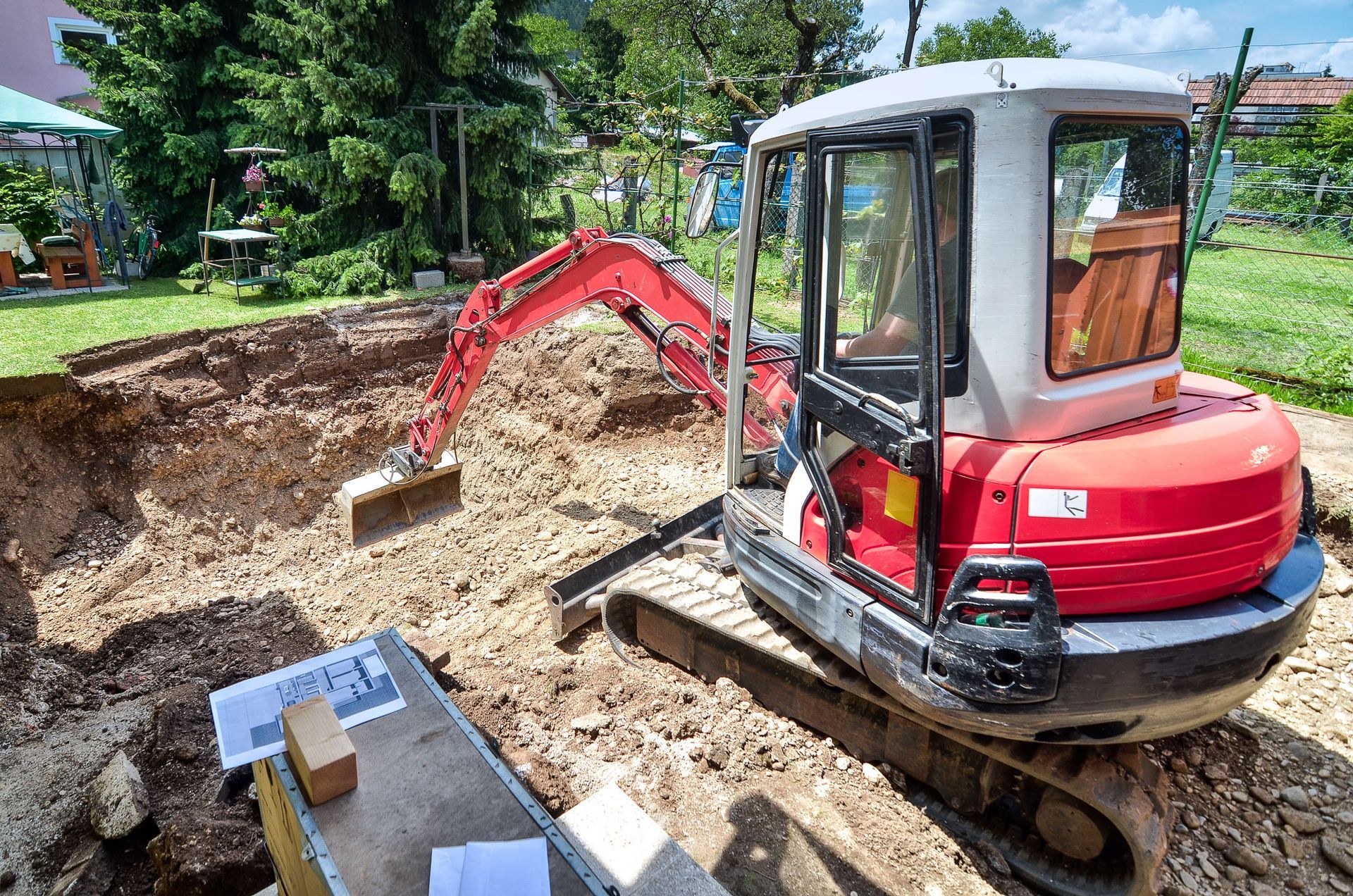
Excavation crews use specific equipment to remove soil in controlled stages. This allows for better accuracy and helps maintain the integrity of surrounding areas. Each cut is carefully measured to match project specifications, reducing the need for corrections later in the project.
Proper excavation depth is especially important. A foundation that is too shallow or uneven can lead to settling issues over time. Careful execution helps ensure the structure remains stable and durable for years to come. This is one of the key reasons property owners rely on professional excavation services for foundation work.
In addition to depth control, edge alignment and corner accuracy are closely monitored throughout the process. Small inconsistencies at the start of a project can become larger issues later, so ongoing measurement checks help maintain accuracy from start to finish.
Managing Soil and Drainage Effectively
Soil management is a critical part of foundation excavation. Once soil is removed, it must be properly handled, stored, or relocated depending on site conditions. Professional excavation services ensure soil is managed in a way that supports both construction progress and site stability.
Drainage is another important factor during foundation preparation. Poor drainage can lead to water accumulation around the structure, which may affect long-term stability. Proper grading and planning help direct water away from the foundation area, reducing potential risks after construction is complete.
Backfilling is also an important step after the foundation is installed. The soil must be replaced and compacted correctly to support the structure and prevent shifting over time. Careful attention to this process helps maintain the integrity of the foundation and surrounding land. Proper execution at this stage supports long-term structural stability.
Material selection during backfilling can also affect long-term performance. Clean fill, proper compaction layers, and moisture control all contribute to a stable foundation environment. These steps help reduce the likelihood of future soil movement. Each material choice directly impacts how the soil settles around the structure over time.
Maintaining Safety Throughout Construction
Safety is a top priority during all excavation work. Foundation projects often involve heavy machinery, deep digging, and changing ground conditions, all of which require strict safety protocols. Professional excavation services follow established procedures to protect workers, equipment, and surrounding property. Consistent safety enforcement helps reduce risks and keeps projects running efficiently.
Site stability is continuously monitored during excavation to help prevent collapses or shifting soil. Depending on conditions, protective excavation practices may be used to maintain safe working conditions throughout the project. Regular inspections help ensure any changes in soil behavior are addressed promptly.
Clear communication among crew members is also essential. Coordinating equipment movement, excavation depth, and site changes helps prevent errors and ensures smooth project progression. Safety and precision work together to deliver successful foundation results. Strong communication also improves overall jobsite coordination.
Utilizing Modern Equipment Efficiently
Modern excavation equipment plays a major role in improving accuracy and efficiency. Advanced machinery allows crews to complete foundation excavation work with greater precision while reducing project timelines. Professional excavation services rely on this equipment to meet strict construction standards. The use of updated equipment also helps improve consistency across different phases of the project.
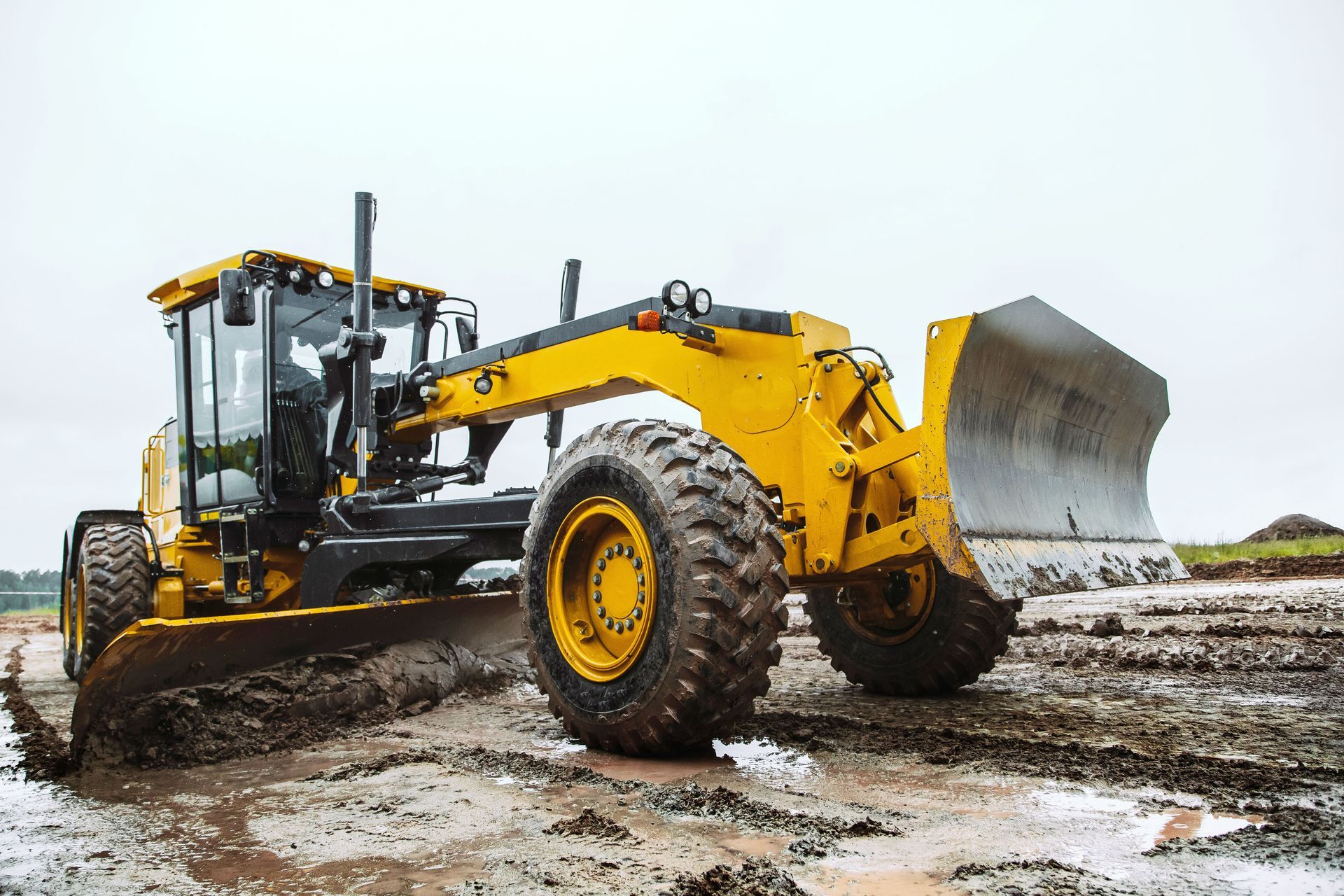
Modern grading and leveling tools help improve accuracy across the site. These tools reduce the risk of uneven surfaces and support consistent results throughout excavation work. As a result, foundations are better prepared to support long-term structural performance. This level of precision also helps ensure each phase of the project aligns with planned specifications.
Efficient equipment use also helps minimize site disruption. By using the right machinery for each phase of excavation, contractors can complete work more efficiently while maintaining quality and safety standards. This approach helps keep projects on schedule while reducing unnecessary rework or delays.
Proper equipment maintenance is also essential for consistent results. Well-maintained machines improve reliability and help reduce downtime, supporting steady progress throughout the excavation process. Regular servicing also helps ensure equipment performs safely and effectively on every job.
Supporting Long-Term Structural Stability
The quality of foundation excavation directly impacts the longevity of any structure. A properly prepared foundation helps distribute weight evenly and reduces issues such as settling or cracking. This is why professional excavation services are an important part of residential and commercial construction projects.
JC Myers Construction provides foundation excavation services across West Central Missouri, including site preparation, grading, basement excavation, driveway excavation, yard leveling, sidewalk excavation, and backfilling services. Each project is approached with careful attention to detail to help ensure long-term stability and performance.
Experience, planning, and precision all come together to create a strong foundation for every structure. From initial site evaluation to final grading, each step plays an important role in overall project success.
For reliable foundation excavation services, site preparation, and grading solutions, contact JC Myers Construction today to request a free estimate and schedule your project with a team serving West Central Missouri.