November 23, 2026
Most homeowners don't spend much time thinking about the soil beneath their house. As long as the floors feel level and the walls look straight, it's easy to assume everything below ground is fine. But soil is constantly changing. During long dry spells, it can lose moisture, shrink, and pull away from the foundation it's supposed to support. When that happens, a home can begin to settle unevenly, and the damage often shows up in ways that are easy to dismiss at first.
Understanding how dry soil affects your home can help you catch problems early, before small cracks become costly structural concerns. Here's what you need to know about dry soil, foundation movement, and the right time to call for help.
Understanding How Dry Soil Moves
Soil isn't a solid, unchanging base. It expands when it absorbs water and contracts as it dries out. Clay-heavy soil is especially prone to this kind of movement because its fine particles hold large amounts of moisture. In wet seasons, clay can swell and push against a foundation. During droughts or extended heat, it can shrink significantly, leaving empty spaces beneath and around the structure.
When soil shrinks unevenly, parts of a foundation lose support while others stay firmly in place. This uneven settlement puts stress on the concrete and the framing above it. Over time, repeated cycles of swelling and shrinking can weaken the foundation and cause gradual shifting. Because these changes happen slowly and out of sight, many homeowners don't realize there's a problem until visible damage appears inside or outside the home.
Spotting Cracks in Walls and Floors
Cracks are often the first sign that soil movement is affecting a home. Thin hairline cracks in concrete are common as it cures and usually aren't cause for alarm. However, cracks that widen over time, run diagonally, form a stair-step pattern in brick or block, or appear alongside other symptoms deserve a closer look.
Inside the home, you may notice cracks in drywall near door frames, window corners, or where walls meet the ceiling. Floors may develop cracks or begin to slope in certain areas. Tile can crack or lift as the surface beneath it shifts. If cracks continue to grow, an experienced foundation contractor can determine whether soil movement is the cause and what steps are needed to stabilize the structure.
Noticing Doors and Windows That Stick
Doors and windows rely on square, level frames to open and close smoothly. When a foundation shifts, those frames can twist slightly out of alignment. Suddenly, a door that used to close easily may stick, swing open on its own, or leave a visible gap at the top. Windows may become difficult to lift or lock.
Seasonal humidity can cause minor sticking, so a single stubborn door isn't always a sign of foundation trouble. But if several doors and windows start misbehaving around the same time, especially after a dry summer, the cause may lie beneath the house. Paying attention to these patterns can help you identify a developing issue before it spreads to other parts of the home.
Watching for Gaps Around the Foundation
Take a walk around the outside of your home after a long stretch of dry weather. You may notice soil pulling away from the foundation walls, leaving visible gaps along the perimeter. These gaps are a clear sign that the ground has lost moisture and contracted. They also create a path for water to rush in during the next heavy rain, which can lead to rapid swelling and even more movement.
Other exterior signs include cracked or separated brick, gaps between the siding and the foundation, and chimneys that appear to lean away from the house. Porches, steps, and patios may also pull away from the main structure. A qualified foundation contractor can assess these gaps, evaluate the condition of the soil, and recommend solutions such as backfilling, regrading, or other improvements that help keep moisture levels more consistent around your home.
Recognizing the Role of Drainage and Grading
Water management plays a major role in foundation health. Soil that's too dry can shrink, but soil that's too wet can swell or wash away. The goal is to keep moisture as even as possible around the foundation throughout the year. Poor grading, which allows water to flow toward the house or pool in certain areas, can make soil movement much worse.
Proper grading slopes the ground away from the home so rainwater drains in a controlled way. Erosion control measures help keep soil in place, while retaining walls can manage slopes on uneven properties. When these elements work together, they reduce the extreme wet and dry cycles that put stress on a foundation. A foundation contractor who also understands grading and drainage can address both the symptoms and the conditions that caused them.
Planning New Construction on Cleared Land
Soil conditions matter just as much when building a new home. More property owners are turning raw land into building sites, and the work that goes into preparing that land is growing quickly. According to IBISWorld, revenue for the U.S. land clearing industry is projected to grow at a compound annual rate of 2.5%, reaching $213.3 billion over the five years leading up to 2030.
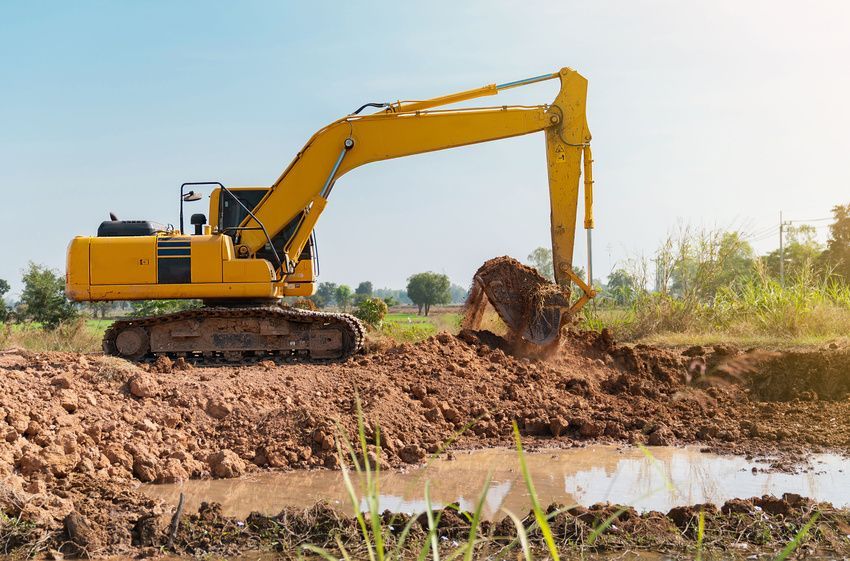
Clearing trees and brush changes how a site holds moisture. Large trees draw significant amounts of water from the soil, and removing them can shift moisture levels for years afterward. Building on cleared land without accounting for these changes can lead to settlement problems down the road. Working with a foundation contractor during site preparation helps ensure the ground is properly excavated, graded, and compacted before the foundation is installed, giving your new home a stable starting point.
Calling a Professional Before Damage Spreads
Foundation problems rarely fix themselves. Once soil movement begins causing damage, it often continues with each new dry season. Waiting too long can turn a manageable issue into a major structural concern that affects floors, walls, plumbing, and the overall safety of the home.
If you notice widening cracks, sticking doors and windows, sloping floors, or gaps around your foundation, it's time to call a professional. A trusted foundation contractor has the knowledge and equipment to evaluate soil conditions, identify the source of the problem, and recommend practical next steps. Trying to fix serious foundation issues without professional help can lead to wasted money and incomplete solutions.
Protecting Your Home's Foundation for Years to Come
Dry soil can have a surprising impact on the stability of your home. As the ground shrinks and shifts, it can lead to cracks, misaligned doors and windows, gaps around the foundation, and other signs of uneven settlement. Paying attention to these warning signs and addressing drainage and grading issues early can help you avoid more serious damage.
Whether you're dealing with an existing home or preparing a new building site, professional guidance makes a real difference. The right foundation contractor can evaluate your soil, improve the conditions around your foundation, and help your home stay on solid ground through every season.
If you're seeing signs of soil movement or planning a new build, we're here to help. At JC Myers Construction, we offer foundation digging and installation, excavation, backfilling, grading and drainage, erosion control, retaining walls, and land clearing to give your home the stable base it needs. Contact us today for a free estimate.