December 3, 2025
Local construction service plays a pivotal role in shaping the growth and vitality of communities. This service not only provides essential infrastructure but also stimulates economic activity, creates jobs, and enhances residents’ quality of life. By examining the economic, social, environmental, and technological impacts of construction, we can better understand how a local construction service fosters sustainable development. From new housing and schools to smart energy initiatives, these projects are key drivers of community resilience and prosperity.
Drive Economic Growth and Job Creation
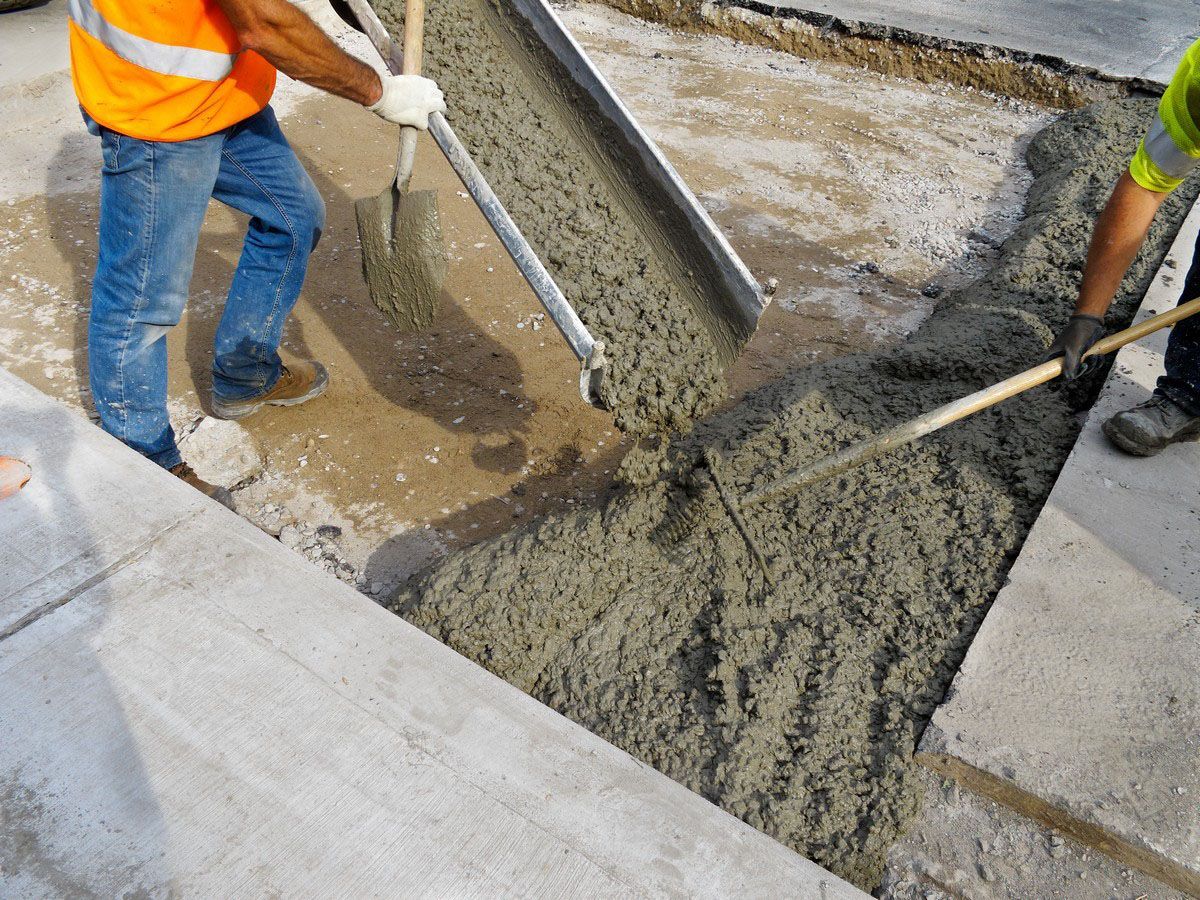
A local construction service is a powerful engine for economic development. By providing employment opportunities across a range of skill levels, it helps reduce local unemployment and improve household income. According to Construction Coverage, the U.S. construction industry employed 8.2 million people in 2024, with 6.4 million working in construction-specific occupations. Local construction projects capture a significant portion of this workforce, providing both skilled labor such as electricians, engineers, and project managers, as well as entry-level positions for community members. The income earned by workers circulates within the local economy, stimulating additional spending in retail, dining, and other service sectors.
Beyond employment, a local construction service acts as a major client for nearby businesses. Material suppliers, equipment rental companies, and transportation services benefit directly from construction projects, creating a network of economic interdependence. Ancillary services such as catering, waste management, and logistics also gain from construction activity, extending economic benefits throughout the community. As new infrastructure attracts further commercial and residential development, this ripple effect strengthens the local economy and encourages reinvestment.
Infrastructure improvements driven by local construction also attract new industries. Modern roads, utilities, and commercial spaces make communities more appealing for businesses looking to expand or relocate. This, in turn, creates additional jobs and stimulates growth in related sectors like hospitality and retail. The resulting increase in local tax revenue provides funds that can be reinvested into public projects, schools, and utilities, completing a cycle of economic reinforcement.
Enhance Infrastructure and Community Facilities
Infrastructure development is a core contribution of a local construction service. By building schools, healthcare centers, community centers, and other public facilities, it provides essential resources that underpin societal well-being. Such infrastructure improves access to education, healthcare, and social programs, while creating spaces that encourage community interaction. High-quality facilities also attract new residents, contributing to population growth and long-term economic development.
Transportation improvements are another critical aspect of infrastructure. Local construction helps upgrade roads, bridges, and public transit systems, improving connectivity and reducing travel time. Efficient transportation networks enhance productivity, support local businesses, and make commuting easier for residents. Well-planned transit infrastructure also boosts tourism, generating revenue for community businesses while promoting economic diversification.
Sustainable energy installations are increasingly part of local construction projects. From solar panels to wind turbines, these initiatives help communities reduce reliance on nonrenewable energy sources while promoting environmental responsibility. Integration of smart city technology and renewable energy systems further improves operational efficiency and service delivery, preparing communities for future growth. Local construction not only builds physical structures but also supports energy independence and long-term resilience.
Foster Community Engagement and Social Well-Being
Successful local construction projects emphasize community engagement. By involving residents and stakeholders in planning and decision-making, a local construction service ensures that projects align with local priorities. Public forums, surveys, and collaborative planning sessions build transparency and trust, resulting in facilities that meet actual community needs. Such engagement often sparks innovative solutions that might not emerge from top-down planning alone.
Community-driven construction initiatives, where residents participate in project ownership or management, are particularly impactful. These projects are tailored to local needs and focus on sustainability, fostering pride and accountability among participants. Profits or savings generated from such initiatives often remain in the community, supporting local reinvestment and economic stability.
The overall quality of life is significantly enhanced through local construction. Improved housing, public spaces, parks, and recreational facilities encourage social interaction and promote health and well-being. Access to better education and healthcare infrastructure supports higher living standards, while firms offering training programs contribute to skill development and upward mobility for residents. By integrating social impact into project planning, local construction strengthens both communities and individual livelihoods.
Promote Environmental Sustainability and Resilience
Sustainability is increasingly central to a local construction service. Using eco-friendly materials like recycled steel and low-impact concrete, and adopting green building techniques such as passive solar design and rainwater harvesting, construction reduces environmental impact. Responsible resource use and waste reduction contribute to long-term conservation and community resilience.
Climate-resilient infrastructure is another focus. A construction service designs buildings and public works to withstand extreme weather events, including floods, hurricanes, and storms. Elevating structures in flood-prone areas, reinforcing critical facilities, and improving drainage systems all contribute to safer, more durable communities. These measures protect residents, reduce future repair costs, and ensure continued access to essential services.
Construction firms are also implementing strategies to reduce carbon footprints. Electric vehicles, energy-efficient systems, and water-conservation initiatives help minimize emissions and resource consumption. Through sustainable construction practices, communities can grow while protecting the environment and ensuring a healthier future for coming generations.
Integrate Advanced Technology and Innovation
Technological advancement is reshaping a local construction service. Modern tools like 3D printing, robotics, and prefabrication improve efficiency, reduce costs, and enhance quality. Automated equipment handles hazardous tasks, increasing safety while reducing human error. Prefabricated modules accelerate project timelines and improve consistency, allowing construction firms to meet deadlines with precision.
Smart technology integration is also transforming building management. IoT devices, remote monitoring, and automated systems improve energy efficiency and operational control. Virtual and augmented reality tools enhance design, visualization, and stakeholder communication, enabling more informed decision-making. Data-driven project management optimizes resource allocation and reduces waste, ensuring that local construction operates both effectively and sustainably.
Collaborating with technology partners and investing in continuous innovation allows construction to stay ahead of industry trends. Advanced software solutions for project planning, cost estimation, and supply chain management streamline operations and improve client satisfaction. Additionally, digital twin technology and predictive analytics enable firms to anticipate maintenance needs, optimize building performance, and minimize unexpected delays. By embracing these cutting-edge tools, a local construction service can deliver smarter, faster, and more sustainable projects that meet the evolving needs of communities.
Overcome Challenges and Maximize Opportunities
Despite their benefits, a local construction service faces challenges, including regulatory compliance, labor shortages, and resource constraints. Navigating local, state, and federal regulations requires legal expertise and careful planning. Labor shortages can limit project capacity, prompting firms to invest in workforce training programs. Resource management, including sustainable material sourcing, is crucial to maintaining efficiency and competitiveness.
Balancing growth with preservation is another consideration. Communities often require new infrastructure while also protecting historical and cultural sites. Construction companies address this through innovative design and stakeholder collaboration, blending modern development with heritage preservation. By managing these challenges strategically, a local construction service can continue to drive sustainable, culturally aware community growth.
A local construction service is a vital catalyst for community growth. It stimulates local economies, provides employment, improves infrastructure, and enhances social and environmental sustainability. By adopting innovative technologies and engaging directly with communities, a local construction service helps create resilient, dynamic environments that benefit both residents and businesses. Overcoming regulatory, labor, and resource challenges ensures the service continues to thrive and adapt to evolving needs.
At JC Myers Construction, we are committed to delivering high-quality local construction service that strengthens communities. By working closely with residents and stakeholders, we help build thriving neighborhoods that combine economic growth, social well-being, and sustainable development. For expert guidance and reliable local construction service , contact us today and let us help bring your community projects to life.